TEFL internships and TEFL teaching jobs are both excellent ways to start (or grow) your English teaching career in 2026, but they serve different purposes and suit different personalities. If you want a guided, low‑risk first step, a Premier TEFL internship is usually the better fit, while if you are ready to prioritise income, independence, and long‑term progression, a teaching job will likely suit you more.
What Is a TEFL Internship in 2026?
A TEFL internship is a structured, time‑limited placement that combines accredited TEFL training, a guaranteed teaching placement, and in‑country support in one organised package. With Premier TEFL in 2026, internships are available in destinations such as Cambodia, Thailand, Vietnam, South Korea, and Germany, and are designed especially with first‑time teachers, career‑changers, and gap‑year travellers in mind.
Instead of finding a job alone, managing visa paperwork yourself, and negotiating a contract in a new country, you pay a program fee and Premier TEFL handles the majority of those logistics on your behalf. The typical package includes an accredited online TEFL course, pre‑departure guidance, airport pickup or arrival support, accommodation or assistance finding housing, and an orientation that introduces you to the local culture, schooling system, and classroom expectations. Internships are usually short‑ to medium‑term, often ranging from a couple of months in Europe to a full academic year in Asia, which means you can “test drive” teaching and life abroad without committing to a multi‑year contract.
Financially, internships are not designed to make you rich, but to keep you comfortable while you gain experience. Stipends and salaries on Premier TEFL internships typically cover local living costs (especially when housing is free or subsidised), and in lower‑cost destinations such as Cambodia, Thailand, or Vietnam you can often enjoy a good quality of life on that amount. Many interns say that the value lies less in short‑term earnings and more in the structured support, CV boost, and confidence they gain from surviving and thriving in a new culture and classroom.
Another key feature of Premier TEFL internships in 2026 is payment flexibility. Rather than paying the full program fee up front, you can secure your place with a low deposit and spread the rest over interest‑free instalments, usually across 90 days. For graduates, career‑changers, or people without big savings, this model makes an overseas move more realistic and reduces the financial shock of relocating.

What Is a TEFL Teaching Job in 2026?
A TEFL teaching job is a standard employment arrangement where you are hired directly by a school, language centre, or online platform. As a teacher, you are expected to plan and deliver lessons, manage your students’ progress, and handle the day‑to‑day responsibilities of the classroom with less hand‑holding than on an internship. In 2026, teaching jobs can take several forms: physical positions in schools abroad, hybrid or in‑country language centre roles, and fully online roles through teaching platforms or your own freelance business.
If you secure a job in a school abroad, your employer may help with visas and accommodation, but the depth of that support varies widely. Some schools offer flight reimbursement, housing support, and paid holidays; others offer only a salary and expect you to sort out everything else yourself. Online teaching jobs are more flexible and often allow you to set your own schedule and work from anywhere, but you are responsible for finding students, marketing yourself, and building a stable schedule.
The main incentive with teaching jobs is income and professional growth. Premier TEFL’s own graduate stories show that online teachers who specialise and put in consistent work can earn between roughly 3,000 and 5,000 USD per month teaching around 30 hours a week, particularly once they have some experience and niche skills such as teaching Business English or exam preparation. These figures are significantly higher than the typical internship stipend, which is why many people use internships as a stepping stone into well‑paid teaching roles rather than as a long‑term solution.
In terms of entry requirements, teaching jobs tend to be more demanding than internships. While some roles will hire newly‑qualified teachers, many schools prefer candidates with a degree, a recognised TEFL certificate, and at least some form of prior experience—anything from teaching practice on an internship to volunteer work or online tutoring. That is one reason Premier TEFL’s Level 5 Diplomas and specialist courses are popular: they help candidates stand out in competitive markets and can make the difference between a basic starter job and a higher‑paying, more stable role.
Premier TEFL Internship Examples for 2026
To see how internships actually look in practice, it helps to look at specific Premier TEFL programs.
Cambodia Internship
In Cambodia, Premier TEFL runs a year‑long paid internship that accepts applicants without a degree, as long as they meet age and language criteria. Interns receive a local salary that typically ranges between roughly 700 and 1,800 USD per month, along with rent‑free housing and strong in‑country support. For many participants, this combination of support and relatively generous local pay allows a comfortable lifestyle while gaining substantial teaching experience in a fast‑developing country. Our next intake starts in July 2026, and this is the last chance to apply for that cohort!

South Korea Internships
In South Korea, Premier TEFL offers both six‑month and twelve‑month internship options. The six‑month option is attractive if you want to experience life in Korea without committing to a full year, while the twelve‑month version resembles a first full teaching contract but with the additional support of a structured program. Salaries on these programs tend to fall in the 1,250 to 1,750 USD per month range, which, combined with benefits, can offer a strong starting point for people keen to explore one of Asia’s most popular teaching destinations.

Thailand Internship
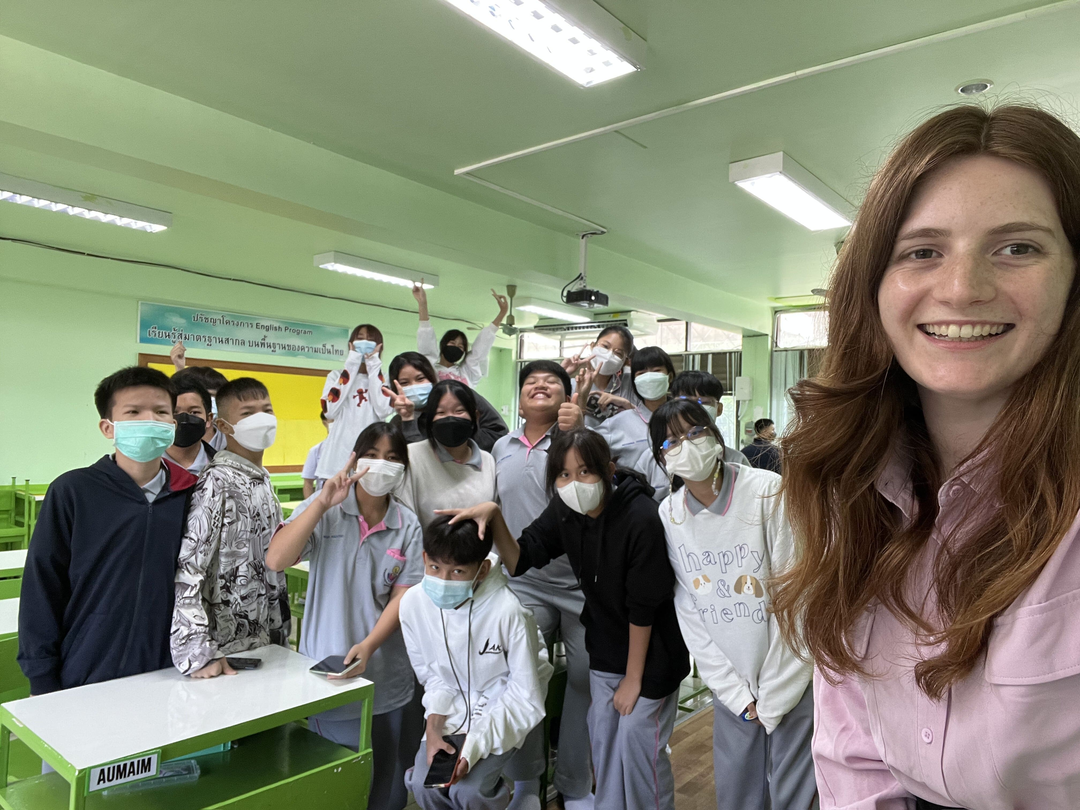
Thailand is another classic Premier TEFL internship destination. One program runs for about four and a half months and is ideal for people who want a semester‑long experience. Participants usually receive around 995–1,125 USD per month, plus orientation, placement, and extensive local support, which allows them to immerse themselves in Thai culture while developing their teaching skills in a relatively gentle, community‑oriented environment.
Germany Internship
For shorter European experiences, Premier TEFL offers placements in Germany that can last from 5 – 10 weeks. These programs are not necessarily about income; instead, they focus on cultural exchange, classroom practice, and helping you decide whether teaching is something you want to pursue more seriously. Participants often treat them as a structured ‘trial run’ before committing to longer‑term roles overseas or online.

A simple way to compare internships and jobs is to rate income and support side by side:
You can think of internships and jobs as existing on a spectrum: as support decreases, income and autonomy often increase.
Real Intern Stories from Premier TEFL
In our “Teaching in Thailand with Harriet” blog, Harriet talks about how her internship in Thailand allowed her to combine cultural discovery with practical teaching experience. She reflects on how the orientation, fellow interns, and local support made the adjustment smoother than she expected. Rather than being thrown straight into a demanding full‑time role, she had time to observe, practice, and ask questions, which helped her build a teaching style that felt authentic to her.
A particularly vivid example comes from Will, a Premier TEFL intern in Vietnam who later shared his experience in a webinar. He describes arriving for an orientation week in Hanoi with about one hundred other teachers, staying in a hotel while attending workshops and observation sessions in local schools. That week gave him a realistic picture of what the next months would look like, while also allowing him to learn from more experienced interns already teaching in classrooms. For someone about to teach abroad for the first time, that kind of group onboarding makes a huge difference to confidence and readiness.
One intern described their program as “life‑changing,” emphasising the friendships they formed, the supportive staff both in the Premier TEFL office and in‑country, and the sense that their daily routines had been completely transformed in a positive way. They highlighted waking up early feeling excited because of their students and credited the internship with helping them “re‑focus” their life and goals, illustrating that internships can impact more than just your CV.
These stories reinforce the idea that internships are about structured transformation: you arrive as a newcomer and leave with experience, confidence, and a network that you can leverage for future roles.
Real Teacher Stories
On the teaching job side, our content features graduates who used TEFL courses and initial experience to move into higher‑earning, more autonomous roles.
Madelyn, for example, appears in our “Day in the Life” content about teaching in Seoul, South Korea. She describes how her daily schedule includes lesson planning, classroom hours, and time to explore the city, giving a realistic picture of what a long‑term teaching placement looks like beyond the internship phase. Her story shows that after you have built a foundation through training and, often, an internship or entry‑level job, it becomes possible to settle into a more stable routine in countries that offer strong salaries and benefits.

You can also read more on our blog on the best platforms to teach English online, which shares two detailed success stories that illustrate the income potential of teaching jobs, particularly online. Sarah, who previously worked in marketing in the UK, used the Premier TEFL 120‑Hour Advanced TEFL Course and a Teaching English Online specialism to pivot into fully remote work. Within six months, she was earning enough through platforms like Preply and iTalki to match her UK income, and after about a year she had grown her online teaching business to between 4,000 and 5,000 USD per month while teaching roughly 30 hours a week. She combined this with travel across Europe and Southeast Asia, effectively building a digital nomad lifestyle around her teaching job.
Another example is Michael, a former restaurant manager who did not have a degree. By completing a 120‑hour TEFL course plus specialist modules in young learners and online teaching, he was able to start on beginner‑friendly platforms such as Cambly and 51Talk. Over time, he refined his teaching niche and schedule, eventually reaching a monthly income of around 3,000–3,800 USD while teaching 30 or more hours per week from home. His story is particularly encouraging for non‑degree holders, showing that with a TEFL qualification and persistence, it is possible to transition into sustainable full‑time online teaching.
Together, these teacher stories illustrate what the “next phase” after an internship can look like: higher earnings, more control over your schedule and location, and the possibility of building a long‑term career either abroad or entirely online.
Internships vs Teaching Jobs: Key Differences Explained
Although you can compare internships and jobs in a simple table, it is useful to unpack the main differences in more depth.
In terms of duration and commitment, internships usually run from a few weeks to about a year, with many Premier TEFL programs in the 4–6‑month range in places like Thailand and Vietnam. This limited timeframe is perfect if you are trying to decide whether teaching and living abroad are right for you. Teaching jobs, especially in schools, commonly involve contracts of six months to a year or more, and online roles, while flexible, become truly lucrative only when you develop a stable long‑term schedule.
Regarding support and logistics, internships win clearly. Premier TEFL handles the heavy lifting: they match you with a vetted school, guide you through visa preparation, organise or assist with accommodation, and provide staff or coordinators you can contact if something goes wrong during your placement. With teaching jobs, some employers will support you well, but others offer minimal assistance, expecting you to arrange housing, manage visa bureaucracies, and negotiate contracts on your own.
When you look at income, the picture flips. Internships offer stipends or modest salaries that tend to cover basic living costs in local terms, especially where rent is covered, but they rarely produce large savings. Teaching jobs, particularly established roles abroad or successful online businesses, can pay several times more. The Premier TEFL online teaching success stories demonstrate that once you reach the 30‑hour‑per‑week mark with a solid student base, it is realistic to earn 3,000 USD or more per month and sometimes significantly higher.
In terms of entry barriers, internships are generally more accessible. Many programs will accept applicants without prior teaching experience, and some even accept candidates without degrees, although exact requirements vary by destination. Teaching jobs, on the other hand, often insist on a degree, TEFL certification, and sometimes previous classroom experience. This is one reason a common path is to start with an internship to gather the experience and references that make you competitive in the teaching job market later.
Finally, there is the question of risk and uncertainty. With an internship, more variables are controlled, and expectations are clearly defined, so the risk of mismatched contracts or poor working conditions is reduced. With teaching jobs, especially those found independently, there is more responsibility on you to vet employers, read contracts carefully, and ensure your role is legitimate and fairly compensated. This is manageable with research and community feedback but can feel daunting if you are brand new to the field.
A Simple Chart of Your First Year
To visualise how a first year could play out with an internship versus a teaching job, imagine a 12‑month timeline split into two possible routes.
In Route A, you spend months 1–5 on a Premier TEFL internship in Vietnam. During this time, you complete your TEFL training, attend orientation, gain classroom experience, and adjust to life abroad with strong in‑country support. In months 6–12, you leverage that experience and your new confidence to apply for online teaching roles, gradually building up to around 20–30 hours a week and a monthly income closer to what Premier TEFL graduates like Sarah and Michael report.
In Route B, you skip the internship and aim directly for a TEFL job. Months 1–2 might involve completing your TEFL certification and applying to schools or platforms, possibly while you work another job. Months 3–12 then become a period of intensive learning on the job, with higher income sooner but also more responsibility and less structured support compared with an internship.
Both routes can lead to the same final destination: a sustainable, flexible teaching career in which you can live abroad or work online from anywhere. The difference is how guided you want your first steps to be and how comfortable you are balancing risk and reward early on.
Which Path Is Right for You in 2026?
In 2026, your choice between a TEFL internship and a teaching job should come down to your current level of experience, your financial expectations, and your appetite for independence versus support.
If you have never taught before, have limited travel experience, or feel anxious about navigating visas and contracts in another language, a Premier TEFL internship is usually the most sensible starting point. You will have professionals helping you at every stage, from pre‑departure planning to classroom observations and on‑the‑ground troubleshooting, and you will be surrounded by other interns going through the same ups and downs. That environment makes it easier to grow as a teacher and as a person without feeling overwhelmed.
If your priority is maximising income as soon as possible and you are confident managing uncertainty, a teaching job may be better. You will shoulder more responsibility, but you will also control your own destiny to a greater extent—choosing where and how you work, how you specialise, and how much you want to push your earnings. For many people, the optimal strategy is a hybrid one: use a structured internship to build a foundation and then transition into teaching jobs that reward that experience.
Ultimately, there is no single “correct” answer. Premier TEFL’s internships exist precisely because many aspiring teachers want a supported, curated first step abroad, while their advanced courses and graduate success stories show what is possible once you are ready to forge your own path. The question is simply where you are in that journey right now—and whether, in 2026, you value support and structure more than immediate independence and high earnings!
The post TEFL Internship vs Teaching Job: Which Path Is Right for You in 2026? appeared first on Premier TEFL.