Teaching English in Africa 2026: Salaries, Visas, Safety & Real TEFL Stories
Thinking about teaching English abroad but want something more meaningful than the usual Thailand or Spain route? Teaching English in Africa in 2026 might be the adventure – and career move – you’re looking for. From relaxed island life in Zanzibar to fast‑growing cities like Kigali and Accra, Africa offers low living costs, high impact classrooms and far fewer crowds of foreign teachers than Asia or Europe.
In this guide, you’ll learn what it’s really like to teach English in Africa: salaries, visas, safety, cost of living, the best countries for new teachers, and a real Premier TEFL story from Tanzania to show you what day‑to‑day life can look like.
Why Teach English in Africa?
Africa is still under‑represented in most TEFL blogs, yet it is one of the most rewarding regions for teachers who want purpose as well as a paycheque. Many countries across East and Southern Africa have growing demand for English teachers in schools, community projects and private language centres.
Key reasons people choose Africa:
-
Lower competition than Asia or Europe, so motivated teachers stand out quickly.
-
Lower cost of living, which makes modest salaries go surprisingly far in many locations.
-
A real chance to contribute to community‑level change, especially in rural schools and educational NGOs.
-
Warm, welcoming cultures – something Premier TEFL teachers in Tanzania mention again and again.

Best Countries to Teach English in Africa (2026 Overview)
There’s no single “best” African country to teach in. Instead, think in clusters: East Africa, Southern Africa and North/West Africa each offer different experiences.
Below, we’ll look especially at Tanzania, Rwanda and Ghana, which are ideal for new or newly qualified TEFL teachers who want a mix of adventure and stability.
Premier TEFL Teacher Life in Tanzania
To understand what teaching in Africa really feels like, it helps to look at one concrete story. Premier TEFL teacher Daveon relocated from California to Zanzibar, off the coast of Tanzania, after volunteering in the Philippines and Rwanda.
From California to Zanzibar
After intensive study and volunteering in disaster and post‑conflict zones, Daveon needed a reset and wanted his work to directly improve children’s lives. He chose Tanzania partly for its slower pace of life and partly because he felt East Africa had embraced him during earlier projects.
-
Background: English and Business degrees, plus experience volunteering in the Philippines and Rwanda.
-
Motivation: Build a long‑term legacy, support local communities and enjoy a more balanced lifestyle.
-
Current base: Zanzibar, teaching and building community‑focused education projects.
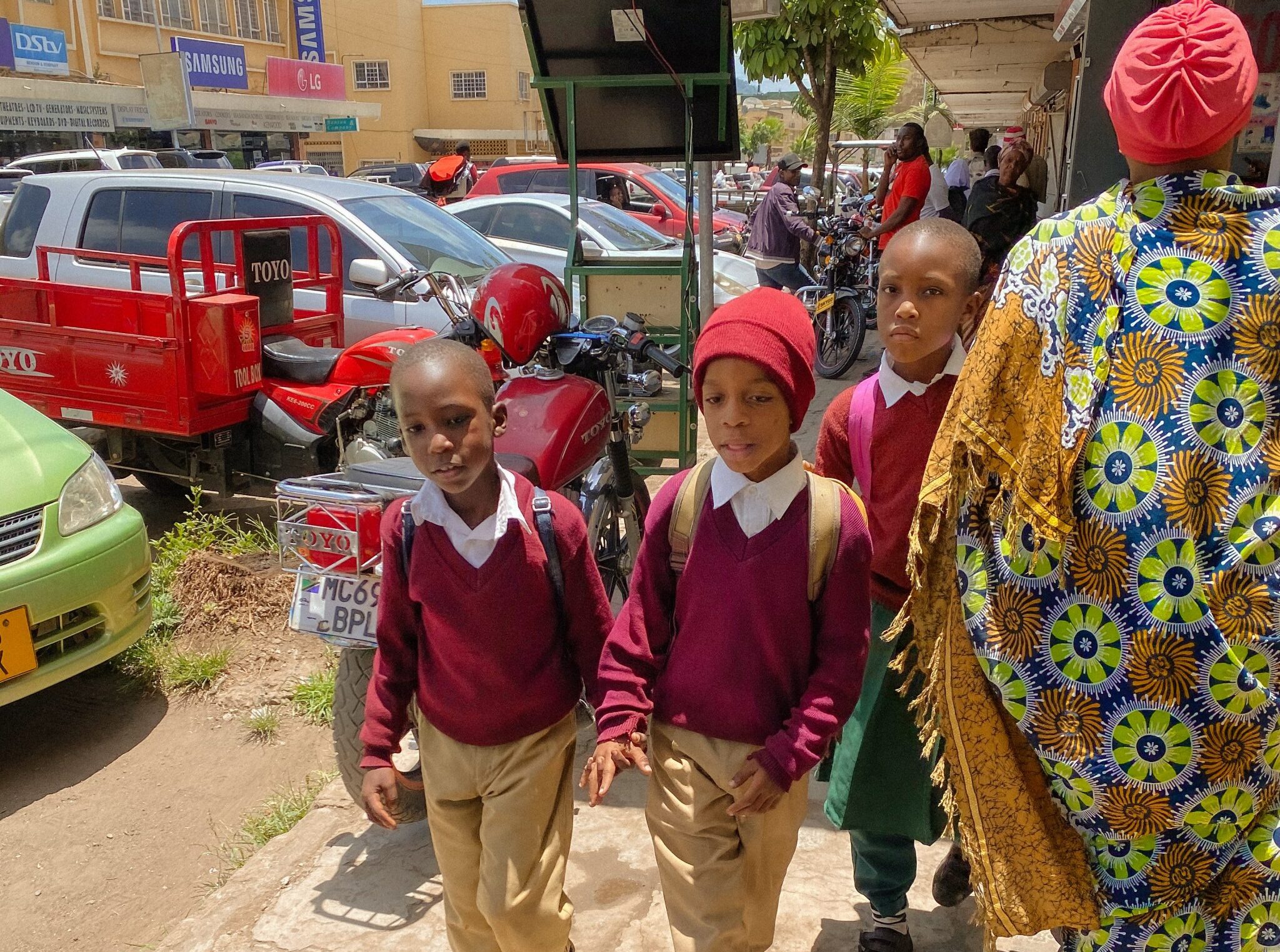
Cost of living in Tanzania (Zanzibar & mainland)
One of the big surprises for many teachers is just how far money can go in parts of East Africa, especially if you earn in a strong currency or supplement income with online teaching.
Approximate monthly costs for two people in Tanzania, based on Daveon’s experience:
Because the Tanzanian shilling is relatively weak, strong currencies like USD or EUR stretch a long way. This is why many teachers choose to combine local teaching with online work paid in foreign currency.
Safety, welcome and daily life
Zanzibar’s daily reality is almost the opposite of the stereotype many people have about Africa.
-
Driving on the island is slow and patient, with far less chaotic traffic than in many big cities.
-
Crime and corruption levels in rural areas of Zanzibar are reported as low, with locals proud of their sense of security.
-
Locals often go out of their way to welcome foreigners, especially those contributing to the community through teaching.
Kiswahili is widely spoken, and even an intermediate level can completely transform your integration and day‑to‑day confidence.
Peter in Gabon, West‑Central Africa
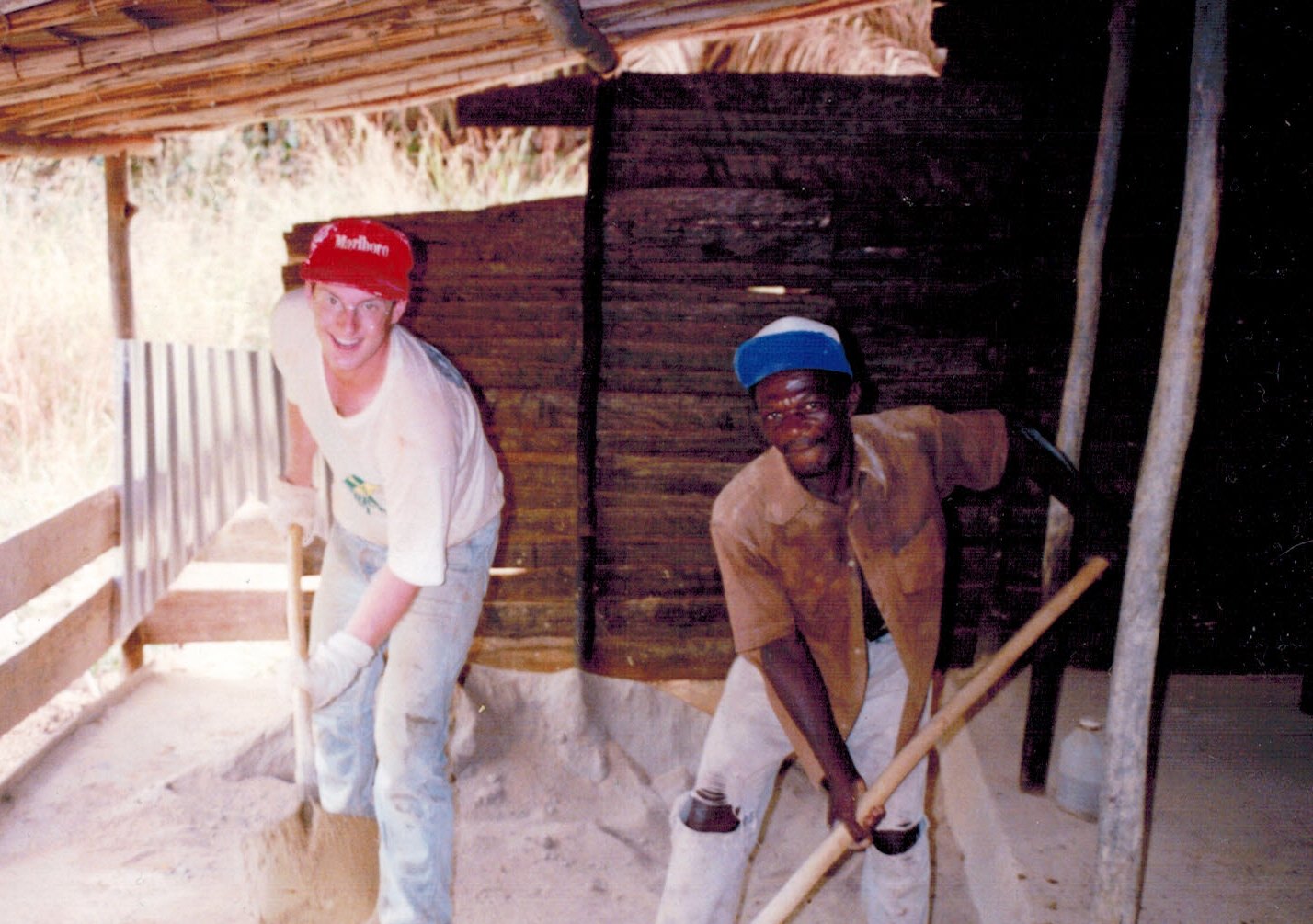
Not all Africa TEFL journeys look the same. While Daveon chose Zanzibar after volunteering in disaster and post‑conflict zones, Peter, an American Premier TEFL learner, first went to Africa over 20 years ago as a TEFL teacher with the U.S. Peace Corps in Gabon, West‑Central Africa.
He taught English in a small high school in the village of Fougamou, with around 90 students across three classes, and even volunteered extra time teaching French literacy to older local women who had never learned to read or write. That experience, plus later TEFL training with Premier TEFL, gave him the confidence to switch careers multiple times – from teaching to IT leadership and back again.
Salaries & Savings: Can You Afford to Teach in Africa?
Salary levels in Africa vary widely by country, city and employer type. In many community or volunteer‑style roles, your package might include accommodation and a stipend rather than a large wage, while private schools in major cities pay more.
While exact numbers differ, a simple rule of thumb is:
-
You can live comfortably on a modest salary in many African countries, especially in East Africa, thanks to lower prices.
-
You can often save more if part of your income comes from online teaching or remote work paid in stronger currencies.
Example: Simple savings scenario for Tanzania
Using the cost of living information above, here’s a rough example of how savings could look for a teacher couple in Tanzania:
This isn’t a guarantee – actual income and spending will depend on job type, city, housing and lifestyle – but it shows why many teachers see East Africa as both affordable and sustainable.
Visas & Requirements for Teaching English in Africa
Visa processes and legal requirements differ from country to country, so you must always check up‑to‑date rules before you commit.
Common patterns for popular African destinations:
-
Tanzania & East Africa
Many teachers work with schools, NGOs or volunteer projects that help with visa arrangements and paperwork. You will typically need a valid passport, background check, proof of qualifications and sometimes an invitation letter from your host organisation. -
South Africa & Namibia
More formal teacher roles often require a degree plus recognised TEFL qualification and may involve detailed background checks and teaching permits. -
Morocco, Tunisia, Ghana and others
Private language schools and international schools may hire foreign teachers on work visas, especially if you have a degree and TEFL certificate.
Key general tips, echoed by Daveon’s advice to future teachers:
-
Research visa rules and timelines before you book flights.
-
Work with reputable employers or TEFL providers who support visa paperwork.
-
Bring clean USD/EUR to exchange, and keep copies of documents (degree, TEFL certificate, police check).
Safety, Culture & Myths About Teaching in Africa
Headlines often focus on instability in certain parts of the continent, but that doesn’t reflect day‑to‑day life for teachers in many African cities, towns and islands.
Safety
Safety varies by country and region, but for many TEFL teachers:
-
Everyday life is routine – commuting, lesson prep, markets, meeting friends – rather than constant risk.
-
Crime exists, as it does everywhere, but sensible precautions (locking doors, avoiding certain areas at night) go a long way.
-
In places like Zanzibar, locals are proud of low corruption and happy to support visitors who act respectfully.
Culture & community
One of the biggest differences teachers report when comparing Africa with Europe or Asia is how deeply communities may embrace them.
-
Strong emphasis on hospitality and community – you’re not just “another expat teacher”.
-
Opportunities to get involved beyond the classroom: local events, community projects, language exchanges.
-
The chance to learn local languages (for example, Kiswahili) and understand different perspectives on work, family and education.
What Qualifications Do You Need?
In many African countries, qualifications are slightly more flexible than in tightly regulated markets like the UAE or South Korea, but competition is increasing.
For best results, you should aim for:
-
A recognised TEFL qualification (for example, a Level 5 course or at least 120 hours of accredited training).
-
A degree for higher‑paid roles, particularly in international schools or universities.
-
Some teaching experience, volunteer tutoring or observed practicum, especially if you want to work in more demanding environments.
Premier TEFL’s higher‑level courses and practicum options are particularly well‑suited for teachers heading to emerging destinations where they may be asked to take on more responsibility quickly.
Pros and Cons of Teaching English in Africa
Every region has trade‑offs. Here’s a balanced look at Africa for TEFL teachers.
Benefits
-
Impact: Your work can make a visible difference in learners’ opportunities, especially in rural or underserved areas.
-
Affordability: Lower costs mean you can live comfortably on a modest budget, especially as a couple or with online income.
-
Adventure: Safaris, national parks, tropical islands, mountains and vibrant cities all within reach.
-
Community: Strong sense of belonging and appreciation from students and local colleagues.
Challenges
-
Variable infrastructure: Power cuts, patchy internet or limited public transport in some areas.
-
Salary expectations: You won’t see Gulf‑style salaries; the payoff is lifestyle and impact rather than savings alone.
-
Cultural adjustment: Different concepts of time, communication and bureaucracy can frustrate some new arrivals.
Is Teaching English in Africa Right for You?
Teaching English in Africa suits a particular kind of TEFL teacher:
-
You care about impact and relationships as much as money.
-
You are open‑minded and ready to adapt to new systems and ways of life.
-
You are willing to research visas, paperwork and safety thoroughly before you go.
-
You like the idea of combining classroom teaching with potential remote work or future career paths (for example, content creation, edtech, or community‑focused projects).
-
If you see yourself in Daveon – wanting to build something long‑term in East Africa – or in Peter, who used his years in Gabon to gain confidence before pivoting into other careers, Africa can be a powerful chapter in your story.
How to Get Started Teaching English in Africa with Premier TEFL
If you’re serious about teaching in Africa in 2026, here’s a simple starting plan:
-
Choose your region
-
East Africa (Tanzania, Rwanda, Kenya) for community‑driven projects and lower costs.
-
Southern Africa for more formal school roles and big‑city life.
-
North/West Africa (Morocco, Ghana) for culture, language learning and regional travel.
-
-
Get qualified
-
Complete a TEFL course that includes practical teaching or observed practicum so you’re classroom‑ready from day one.
-
-
Research visas and budget
-
Use up‑to‑date visa guidance, set aside at least a few thousand dollars in savings, and plan for several months of expenses.
-
-
Connect with people on the ground
-
Follow in Daveon’s footsteps: talk to teachers already in your chosen country via social media, Reddit or Premier TEFL’s network.
-
-
Apply for roles or structured programs
-
Look for schools, NGOs and programmes that offer support with housing, orientation and paperwork.
-
Teaching English in Africa isn’t the path everyone chooses – but for the teachers who do, it can be life‑changing for both them and their students!
The post Teaching English in Africa 2026: Salaries, Visas, Safety & Real TEFL Stories appeared first on Premier TEFL.