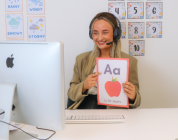
Freedom, Flexibility, and Visas — The Lifestyle Differences Explained
If you’re deciding between teaching English abroad or teaching online, you’re not just choosing a job — you’re choosing a lifestyle. How free your days feel, how flexible your schedule is, and how much admin you’ll deal with (hello, visas) can look very different depending on the path you take.
In this guide, we’ll unpack what “freedom” and “flexibility” actually look like in real life, and how visas shape your options, so you can choose the TEFL lifestyle that genuinely fits you.
What “Freedom” Really Means in TEFL
Freedom is one of the biggest reasons people get TEFL-certified in the first place. But it shows up differently if you’re in a school abroad or teaching from your laptop.
Freedom teaching English abroad
When you move abroad, your freedom is less about working from anywhere and more about reinventing where “home” is.
You typically get:
-
Freedom to relocate to a new country and build a life there (new routines, new friends, new habits).
-
Freedom to travel regionally on weekends and vacation — think city breaks in Europe, island hopping in Southeast Asia, or desert trips in the Middle East.
-
Freedom to grow as a classroom teacher, often with stable hours, clear expectations, and a defined school community.
However, that freedom is anchored to one country and usually one employer, especially if they’re sponsoring your visa. You can’t just change cities or jobs overnight without checking your contract and local immigration rules.
Freedom teaching English online
Teaching English online shifts freedom away from location and toward choice — choice over where you live, how many hours you teach, and who you teach.
You usually get:
-
Freedom to work from home, a co-working space, or as a digital nomad moving between countries.
-
Freedom to choose your student niche, platforms, and teaching style — from kids’ conversation classes to business English for professionals.
-
Freedom to scale up or down depending on your income goals, travel plans, or family commitments.
The flip side is that your income can be less predictable at first, especially if you’re freelancing and building up regular students.
Flexibility: Schedule, Structure, and Work–Life Balance
In Premier TEFL’s main comparison of teaching abroad vs. online, flexibility is one of the clearest lifestyle differences. It shows up in your weekly schedule, your working rhythm, and how much control you have over your time.
Flexibility teaching abroad
Most classroom roles abroad offer medium flexibility.
What that looks like:
-
Fixed timetable: You’ll often work early mornings to late afternoons or evenings, depending on whether you’re in a public school, language centre, or university.
-
Regular routine: Weekdays are structured around lesson planning, teaching blocks, and sometimes extra activities or meetings.
-
Predictable holidays: You get school breaks and public holidays, with some countries offering generous vacation periods.
That structure can be a big plus if you like routine and want clear boundaries between work time and free time. But it does mean you have less day-to-day flexibility to shift your hours or disappear for midweek trips.
Flexibility teaching online
Online teaching is consistently rated high on flexibility.
You typically enjoy:
-
Control over your hours: Open and close your teaching slots around your ideal schedule and your students’ time zones.
-
The chance to work part-time, full-time, or build it around studies, another job, or parenting.
-
More freedom to take time off — you can block out a week for travel or family without asking a school for permission, as long as you manage your students’ expectations.
The catch is that flexibility requires discipline. You’re responsible for setting boundaries, saying no to overbooking, and making sure your schedule still supports your income targets.
Visas and Paperwork: How Much Admin Are You Signing Up For?
Visas can feel like the least glamorous part of starting your TEFL journey, but they shape your lifestyle more than most people realise. Your visa status affects where you can live, how long you can stay, and sometimes even whether you can legally work online in a country.
Visas for teaching abroad
When you teach abroad, visas are front and centre.
In most situations, you’ll deal with:
-
Work visas or residence permits: Many countries require a sponsored work visa tied to your employer (e.g., schools in East Asia or the Middle East).
-
Document checks: You might need degree certificates, TEFL certification, background checks, and sometimes medical checks.
-
Contract-linked stay: Your time in the country is often tied to your contract; if you leave your job, your visa may need to be cancelled or transferred.
The upside is that a proper work visa gives you security and peace of mind — you’re legally employed, often with benefits like housing help, insurance, or flight reimbursement in some regions. Premier TEFL’s internships and supported programs can guide you through this process so you’re not handling paperwork alone.
Visas for teaching online
When you teach online, your “visa situation” depends more on where you decide to live than on the teaching itself.
In practice, that can mean:
-
Living in your home country and teaching students abroad: No extra visa needed if you stay put; your tax and legal situation stays simple.
-
Digital nomad life: Many countries now offer digital nomad, freelancer, or long-stay visas aimed at remote workers, which can suit online teachers perfectly.
-
Grey areas if you teach on tourist visas: Some nomads still move country-to-country on tourist stamps, but this can clash with local rules, so it’s important to research each destination carefully.
Unlike a traditional work visa, you’re usually not tied to one employer or school, which gives you more freedom — but you’ll need to take responsibility for understanding your tax and legal obligations as an online worker.
Lifestyle Snapshot: Abroad vs. Online
Here’s a quick bird’s-eye view of how the lifestyle pieces fit together.
| Lifestyle factor | Teaching English abroad | Teaching English online |
|---|---|---|
| Flexibility | Medium: fixed timetable, set school schedule. | High: you choose hours and workload. |
| Location freedom | Anchored to one city/country on a work visa. | High: work from home or move countries as remote worker. |
| Cultural immersion | Very high: daily life in local community. | Low–medium: cultural exchange via video calls. |
| Visa admin | Central: work/residence visa tied to employer. | Depends on where you live (digital nomad, long-stay, or home country). |
| Income stability | Medium–high: fixed salary, benefits vary by country. | Variable: depends on bookings, marketing, and client retention. |
| Social life | Strong in-person networks with colleagues and expats. | Mostly online communities; in-person depends on where you base yourself. |
Real Life Examples: How Teachers Use Freedom and Flexibility
Stories from real TEFL teachers show how these lifestyle differences feel off the page.
Erin: Using structure and support to jump into life abroad
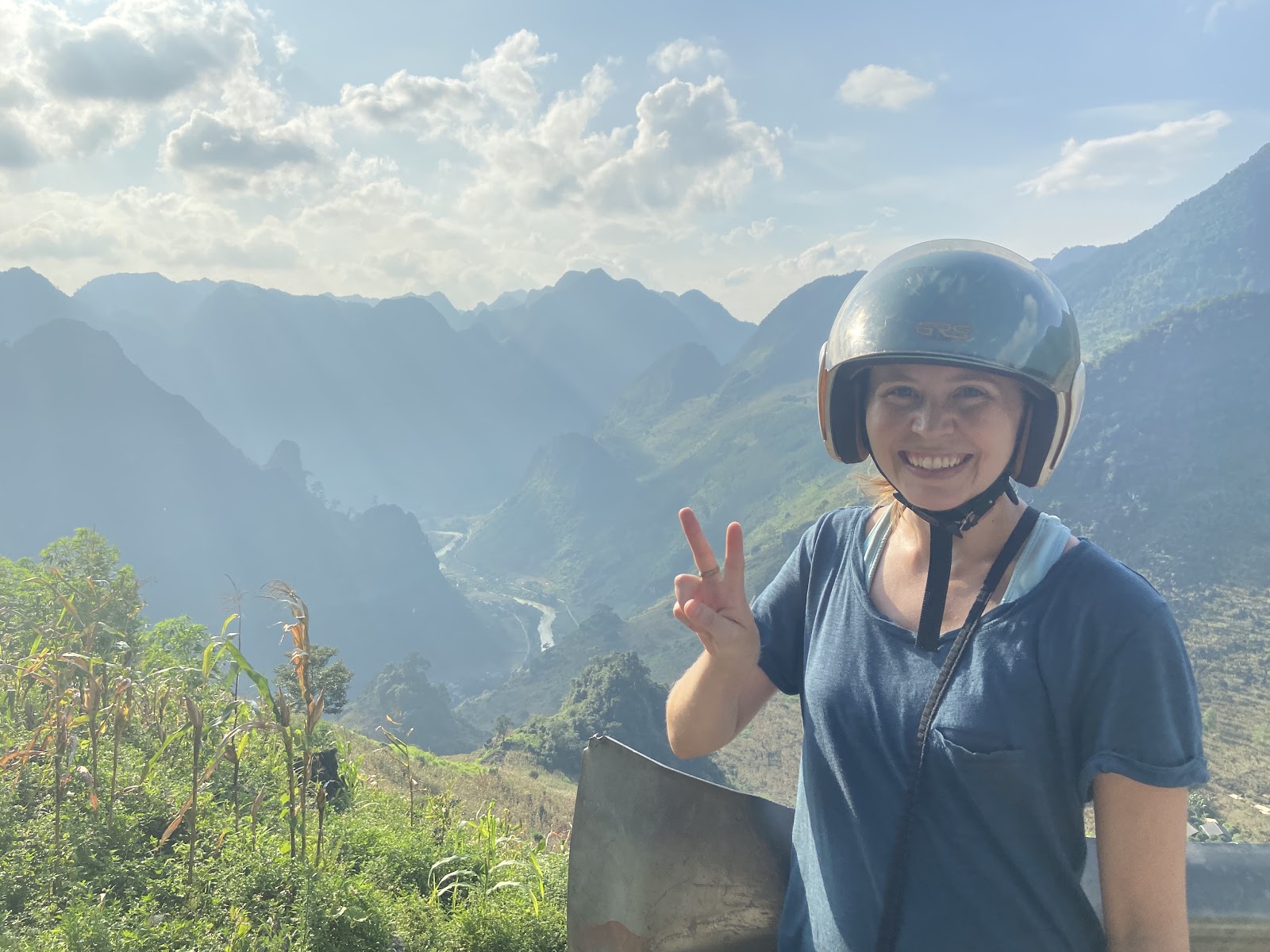
In Premier TEFL’s feature on teaching abroad, Erin joined a structured teaching internship in Vietnam after taking her Level 5 course. Instead of trying to figure out visas, schools, and accommodation by herself, she chose a programme that built in support from pre-departure to those first weeks in-country.
For Erin, freedom meant:
-
The freedom to move to a country she’d never visited.
-
The freedom to immerse herself in a new culture, food, and language, with a peer group of other teachers.
-
The security of having her visa and placement handled with guidance, so she could focus on teaching and exploring instead of chasing paperwork.
Her lifestyle was structured around her school timetable, but that structure gave her stability and confidence to enjoy the adventure.
Audrey: Using online teaching to design her own week
Audrey’s story shows the opposite side of the spectrum: she teaches English online and shapes her weeks around what matters most to her.
Her typical rhythm might include:
-
Mornings teaching regular online students.
-
Afternoons left open for admin, content creation, or sightseeing if she’s travelling.
-
A few evening slots for students in different time zones.
For Audrey, the key lifestyle wins are:
-
Freedom to choose where to live, whether that’s close to family or in a new destination.
-
Flexibility to open or close her schedule depending on income goals or travel plans.
-
Independence from a single employer — her TEFL qualification plus her online teaching skills let her work with multiple clients and platforms.
Her admin is less about work visas and more about staying on top of bookings, tech, and marketing herself as an online teacher.

How Visas Shape Your Day-to-Day Lifestyle
Visas don’t just affect whether you can enter a country — they affect how “free” you feel once you’re there.
When a work visa boosts your lifestyle
A formal work visa for teaching abroad can enhance your lifestyle by:
-
Giving you legal status and peace of mind, so you’re not worried about immigration checks.
-
Often opening access to benefits (housing allowances, flights, or local insurance in some markets).
-
Making it easier to rent apartments, open bank accounts, and set up daily life.
In many cases, schools that sponsor visas expect a solid commitment in return — usually a one-year contract — which can be reassuring if you want stability.
When online work plus visas gives you maximum flexibility
If you’re teaching online, your visa strategy can be part of your lifestyle design.
You might:
-
Stay in your home country and keep things simple, especially when you’re building experience.
-
Apply for a digital nomad or remote worker visa in a country that matches your budget and climate preferences.
-
Mix longer stays in a few favourite countries, as long as you comply with local rules and don’t work illegally on a tourist visa.
Here, your biggest freedoms come from being able to change your location without changing your job, and from not being tied to one employer because of sponsorship.
Which Path Offers “More” Freedom?
There’s no single winner; they offer different types of freedom, and the best one depends on your priorities.
Choose teaching abroad if you want:
-
Deep cultural immersion and the chance to build a life in a new country.
-
A structured routine and a stable monthly salary, especially for your first year of teaching.
-
Support with visas and settling in, especially via a teaching internship or organised program.
-
A strong in-person social circle with colleagues, fellow expats, and local friends.
You’re trading some day-to-day flexibility for the freedom to live differently — new culture, new career, new experiences.
Choose teaching online if you want:
-
Maximum control over your schedule and workload.
-
The ability to work from anywhere with good Wi‑Fi, from your hometown to a beachside apartment.
-
The option to blend teaching with other projects, studies, or a remote side hustle.
-
Long-term potential to build your own freelance brand and raise your rates as you gain experience.
You’re trading some stability and in-person community for a higher level of flexibility and location independence.
Can You Combine Both for the Best of Both Worlds?
More and more TEFL professionals are blending teaching abroad with online teaching to get a hybrid of stability and flexibility.
You could:
-
Teach abroad on a school contract and keep a handful of online students in the evenings for extra income or to maintain a client base.
-
Start online from home, build experience and savings, then move into a classroom role abroad when you’re ready.
-
Complete a TEFL course that qualifies you for both classroom and online roles, so you can pivot as your lifestyle changes.
Premier TEFL’s courses and specialist training in online teaching are designed to keep your options open, whether you picture yourself in a busy foreign classroom, a quiet home office, or a mix of both.
How to Decide Which Lifestyle Fits You
If you’re still torn, try gut-checking your preferences against these questions.
Ask yourself:
-
Do I crave routine and community, or independence and flexibility?
-
Am I excited to navigate visas and relocation, or would I rather keep admin minimal?
-
Do I want deep, in-person cultural immersion, or does a location-independent life appeal more?
-
How important is income stability to me while I’m starting out?
-
Would I like the option to combine both in future?
Your honest answers will usually point clearly toward one starting path, even if you eventually try both.
Next Steps with Premier TEFL
Whichever lifestyle you choose, your TEFL certification is the foundation.
With Premier TEFL you can:
-
Take a core TEFL course that qualifies you for both online and classroom teaching.
-
Add a Teaching English Online specialist course if you’re leaning toward maximum flexibility and remote work.
-
Explore fully supported teaching internships abroad if you want a structured route into life overseas with visa and arrival support.
Freedom, flexibility, and visas don’t have to be confusing. Once you understand how each route shapes your day-to-day life, you can choose the TEFL lifestyle that doesn’t just look good on Instagram — it actually feels right for you.
The post Freedom, Flexibility, and Visas — The Lifestyle Differences Explained appeared first on Premier TEFL.