![[object Object]](https://www.cheapteflcourses.com/wp-content/uploads/2026/06/15052434.jpg)
If you’re midway through your TEFL certification, you’ve probably already started daydreaming about where you’ll land your first teaching job. Two of the most popular—and most debated—paths for new ESL teachers are teaching kindergarten in China or joining the JET program in Japan. Both offer incredible cultural experiences, but the day-to-day reality in the classroom can be very different.
Let’s take a closer look at what a typical day looks like in each country, so you can decide which adventure fits your teaching style and lifestyle.
A Day in the Life: Teaching Kindergarten in China
Imagine walking into a classroom filled with colorful posters, tiny desks, and a chorus of “Good morning, Teacher!” China’s kindergarten scene is vibrant, fast-paced, and full of energy.
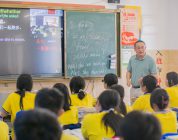
Your day usually starts early, often around 8:00 AM, and finishes around 4:30 PM or 5:00 PM. You’ll likely have a mix of teaching slots, playtime supervision, and meal duties. Most foreign teachers work with a local Chinese co-teacher who handles discipline and translation, leaving you to focus on speaking English naturally with the kids.
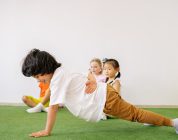
Lesson plans are often provided by the school, but you’re expected to bring them to life with songs, games, flashcards, and movement activities. The children are young—ages 3 to 6—so you’ll rely heavily on TPR (Total Physical Response) and repetition. Expect to dance like no one’s watching, make animal sounds, and read picture books with dramatic voices.
Lunch is usually provided, and you’ll eat with the kids and other teachers. Afternoons might include nap time supervision, art projects, or outdoor play. By the end of the day, you’ll be tired, but the hugs and tiny high-fives make it all worthwhile.
On the plus side, you’ll build deep bonds with your students, and the support structure of a Chinese kindergarten can make the transition smoother for first-time teachers. The downside? Class sizes can be large (20 to 30 kids), and you may need to be flexible with last-minute schedule changes.
A Day in the Life: The JET Program in Japan
The JET Program places you in public elementary, junior high, or high schools across Japan. Unlike China’s kindergarten scene, JET positions are usually assistant language teacher (ALT) roles, meaning you work alongside a Japanese teacher of English (JTE).
A typical JET day starts around 8:15 AM and ends around 4:15 PM. You’ll have your own desk in the staff room, where you’ll prepare materials, chat with colleagues, and have time for lesson planning. You might teach five or six classes a day, but each class is only 45 to 50 minutes long.
Your role is to model pronunciation, lead speaking activities, and bring cultural content into the classroom. You won’t be responsible for grading or discipline—that falls to the JTE. This can be a relief for new teachers, but it also means less autonomy.
One major perk of JET is the strong support network. The program provides housing assistance, a robust orientation, and a community of other ALTs. Japan’s public transportation is excellent, so exploring the country on weekends is easy.
However, the pace can feel slow compared to China. You might spend stretches of your day at your desk with little to do if your JTE prefers to teach alone. Also, the salary is decent but Japan’s cost of living is high, so saving money can be a challenge.
Which Path Suits You Best?
If you want a hands-on, high-energy role where you’re the main attraction in the classroom, kindergarten in China is a fantastic choice. You’ll be in constant motion, loved by your students, and likely save more money thanks to lower living costs and benefits like free housing.
If you prefer a structured, balanced schedule with more free time to explore a new country and culture, the JET Program is hard to beat. It’s ideal for teachers who want a manageable workload, strong support, and the chance to truly immerse themselves in Japanese life.
Neither path is better—they’re just different. Take a moment to think about what kind of day would make you happiest. Do you want to be hugged by tiny humans and sing songs all morning? Or do you want to ride a train to a quiet school and have afternoons to explore temples and shrines?
Wherever you go, your TEFL certificate is your passport to an unforgettable experience. Trust your instincts, and you’ll find the right classroom for you.