Teaching English in Thailand vs Vietnam: Which Should You Choose?
If you’re torn between teaching English in Thailand or Vietnam in 2026, you’re not alone. Both countries offer booming TEFL markets, warm climates, and plenty of travel opportunities – but they feel very different once you’re on the ground.
This guide compares salary, savings, lifestyle, workload, hiring seasons, visas, and top cities side by side, and includes real experiences from Premier TEFL interns, so you can decide whether Thailand or Vietnam fits your goals.
Quick Overview: Thailand vs Vietnam for TEFL
Why choose Thailand?
Thailand is famous for its welcoming culture, beautiful beaches, and relatively easy entry into the TEFL world, especially in public and semi‑private schools.
-
Typical salaries for new teachers: roughly 30,000–40,000 THB per month in schools (about 850–1,150 USD), with higher pay in private and international schools.
-
Cost of living: commonly 500–800 USD per month for modest lifestyles, leaving 150–700 USD in potential savings.
-
Best for: first‑timers who want a soft landing, people who value community and beaches, and teachers looking for a slower pace outside Bangkok.

Why choose Vietnam?
Vietnam has rapidly become one of Asia’s best countries for high TEFL salaries and strong savings potential on a relatively low cost of living.
-
Typical salaries for TEFL teachers: around 1,000–2,300 USD per month, or 25–55 million VND, depending on city and school type.
-
Cost of living: still affordable, meaning many teachers save a significant portion of their salary each month.
-
Best for: career‑focused teachers who want higher earnings, energetic city life, and don’t mind a busier, sometimes more chaotic environment.

Side‑by‑Side: Salary, Savings & Workload
Salary & savings comparison
Table: Typical salaries and savings – Thailand vs Vietnam (2026)
| Aspect | Thailand (2026) | Vietnam (2026) |
|---|---|---|
| Average salary range (entry–mid level) | About 30,000–40,000 THB/month (≈ 850–1,150 USD) in schools; up to 70,000+ THB in private/bilingual; 80,000–170,000 THB in international schools. | Roughly 27–55 million VND/month (≈ 1,000–2,300 USD), depending on city and school type. |
| Public schools | Around 25,000–35,000 THB/month for new teachers. | Often 35–48 million VND/month (≈ 1,495–2,050 USD). |
| Language centres | Commonly 25,000–40,000 THB/month; 400–1,000 THB/hour possible. | Many roles 25–40 million VND/month, with typical hourly rates around 17–32 USD. |
| International schools | Around 80,000–170,000 THB/month (≈ 2,240–4,760 USD) for licensed teachers. | Around 46–55 million VND/month (≈ 1,900–2,300 USD), plus benefits. |
| Cost of living (modest lifestyle) | Roughly 500–800 USD/month for most teachers. | Many teachers live comfortably on about 600–1,000 USD/month, depending on city and lifestyle. |
| Savings potential | Around 150–700 USD/month is realistic, depending on city and spending habits. | Often higher than Thailand; some teachers save 500–1,000+ USD/month by combining salaries and extra classes. |
Workload & weekly schedule
Workloads look similar overall, but the weekly rhythm can feel quite different.
-
Thailand:
-
Public schools generally run Monday–Friday, roughly 7:30/8:00–16:00, with 18–24 teaching hours plus planning and grading.
-
Language centres and international schools may have more structured curricula and expectations but still keep workloads manageable for most teachers.
-
-
Vietnam:
-
Public and international schools offer a similar weekday schedule with strong salaries and benefits.
-
Many foreign teachers work in private language centres, teaching afternoons, evenings, and weekends, sometimes with split shifts, in exchange for higher hourly rates.
-
If you want a more “school‑year, Monday–Friday” feel, Thailand’s public or semi‑private schools may appeal more. If you’re comfortable with evenings and weekends to maximise income, Vietnam’s language centres are attractive.
Lifestyle, Culture & Top Cities
Lifestyle and culture
Both countries are warm, welcoming, and affordable – but day‑to‑day life feels noticeably different.
-
Thailand:
-
Known for friendliness, tourism infrastructure, and a strong expat community in hubs like Bangkok, Chiang Mai, Phuket, and Pattaya.
-
Food, transport, and domestic travel are affordable, and many teachers enjoy a slower, more relaxed pace outside Bangkok.
-
-
Vietnam:
-
Cities like Ho Chi Minh City and Hanoi are fast‑paced, energetic, and packed with cafés, co‑working spaces, and nightlife.
-
Street food is inexpensive and excellent, and domestic flights and trains make it easy to explore places like Da Nang, Hoi An, and Ha Long Bay.
-
Our interns mention that Vietnam pushed them to grow more independent and confident, with close communities forming among cohorts in cities such as Hanoi.
-
If you like polished tourist infrastructure and beach escapes on your doorstep, Thailand may feel more comfortable. If you enjoy buzzy, entrepreneurial cities and don’t mind a bit of chaos, Vietnam will probably excite you.
Top cities to teach English in Thailand
Common TEFL hotspots in Thailand include:
-
Bangkok – The capital offers the widest range of jobs, from public schools to international schools and corporate English, plus big‑city amenities and nightlife.
-
Chiang Mai – A smaller, more laid‑back city with a large digital nomad and teacher community, cooler climate, and plenty of cultural attractions.
-
Phuket – A major island destination with tourism‑driven demand for English and access to beaches and island hopping.
-
Pattaya, Hua Hin, Krabi and other coastal areas – Popular for teachers who want a beach lifestyle with a mix of local and tourist life.
Top cities to teach English in Vietnam
Vietnam’s strongest TEFL job markets are:
-
Ho Chi Minh City (Saigon) – The largest and most dynamic city, with the highest concentration of language centres, strong salaries, and a huge expat community.
-
Hanoi – The capital offers a mix of public schools, language centres, and universities, with a slightly cooler climate and more traditional atmosphere.
-
Da Nang – A growing coastal city with a mix of language centres and schools, popular with teachers who want a more relaxed lifestyle by the sea.
-
Hai Phong, Can Tho and emerging secondary cities – Smaller markets where demand is growing and competition can be lower.
Visas, Requirements & Hiring Seasons
Requirements and visas: Thailand vs Vietnam
Table: Requirements and visa trends – Thailand vs Vietnam (2026)
| Aspect | Thailand | Vietnam |
|---|---|---|
| Degree requirement | Bachelor’s degree usually required for legal school jobs. | Bachelor’s degree typically required in most reputable schools and centres. |
| TEFL/TESOL | Strongly preferred; often a minimum 120‑hour certificate to be competitive. | Also strongly preferred; can increase salary by around 15–20% compared to non‑certified teachers. |
| Visa type | Non‑Immigrant B visa plus work permit, usually sponsored by a school or programme. | Work visa and work permit, often obtained with school support after arrival or via hiring agencies. |
| Documentation | Typically includes degree, transcripts, background check, and health checks, sometimes authenticated or legalised. | Similar documentation: degree, background check, health certificate, and sometimes notarised/authenticated copies. |
| Legal enforcement | Thailand is relatively strict about work permits and school accreditation in major cities. | Vietnam can be more flexible but is tightening up; reputable schools follow full legal processes. |
Vietnam often involves a bit more DIY: many teachers enter on a tourist visa, secure work locally, and then transition to work visas and permits with employer support. Premier TEFL alumni say that pre‑departure support and in‑country training in Vietnam helped demystify legal steps and made the transition smoother.
Hiring seasons and when to arrive
-
Thailand:
-
Main hiring peaks align with the Thai school year, which usually starts in May and again around October, with recruitment happening in the months before each term.
-
Language centres and some private schools hire year‑round, especially in big cities like Bangkok and Chiang Mai.
-
Premier TEFL internships often start just before term, combining orientation, classroom observations, and cultural training so teachers hit the ground running.
-
-
Vietnam:
-
Public and international schools tend to hire ahead of the academic year, with many contracts finalised between late winter and early spring for August/September starts.
-
Language centres recruit throughout the year, although demand often spikes in September–October and after Tet (Lunar New Year).
-
Premier TEFL programmes in Vietnam typically include several days or a week of intensive training in Hanoi or another hub city, with school placements and housing arranged afterwards.
-
If you want the smoothest entry, consider aligning your arrival with the main school hiring periods in either country, then using language centres or part‑time work to fill gaps.
Real Stories: What Premier TEFL Graduates Say
Kyla – Teaching in Thailand
Kyla, a Premier TEFL intern in Thailand, talks about how supported she felt from the moment she signed up, noting that the in‑country team walked her through every visa form, set up a group chat with other interns, and helped coordinate quarantine, orientation, and training so she was never dealing with logistics alone. She explains that Thailand quickly felt like home thanks to friendly colleagues, enthusiastic students, and the way everyday life centred around markets, street food, and spontaneous weekend trips.
In Chiang Mai, Kyla describes daily routines that mix morning classes, long lunch breaks, and afternoons spent exploring cafés, temples, and nearby nature before prepping lessons for the next day, which she says gave her a balance of structure and freedom she never had in her previous jobs. She reflects that the experience not only made her a more confident teacher but also helped her realise a long‑held dream of living abroad, with local partners and fellow interns making the transition feel far less intimidating than she expected.

Mike – Building a Life in Thailand
Mike, a long‑term Premier TEFL teacher in Thailand, describes arriving with very little money, choosing Thailand over a higher‑paying country, and still ending up “truly happy” with a strong network, comfortable lifestyle, and a meaningful role as “Teacher Mike” at his government school. He explains that over five years he has built close ties with students and colleagues, and that Thailand’s mix of community, low living costs, and travel opportunities means he has no desire to leave anytime soon.

Erin – Teaching and Travelling in Vietnam
Erin, a Premier TEFL graduate who taught English in Vietnam, explains that she chose an internship because she wanted to avoid office life, travel while working, and see if teaching was the right path, and she ended up extending her stay and later moving into online teaching while planning a return to Asia. She describes how her programme combined online TEFL training, help with background checks and document legalisation, and a structured orientation in Vietnam, which included classroom observations and cultural sessions that made her feel prepared before she took over her own classes.
Erin recalls that students in Vietnamese public schools were eager and competitive, often using star charts and team games that made lessons lively, and that in her cohort of dozens of interns placed around Hanoi and Haiphong, nobody chose to cut the programme short because the teaching community felt so supportive. She credits her time in Vietnam with massively boosting her independence, public‑speaking confidence, and cross‑cultural communication skills, saying it was “one of the best decisions” she made in her twenties.
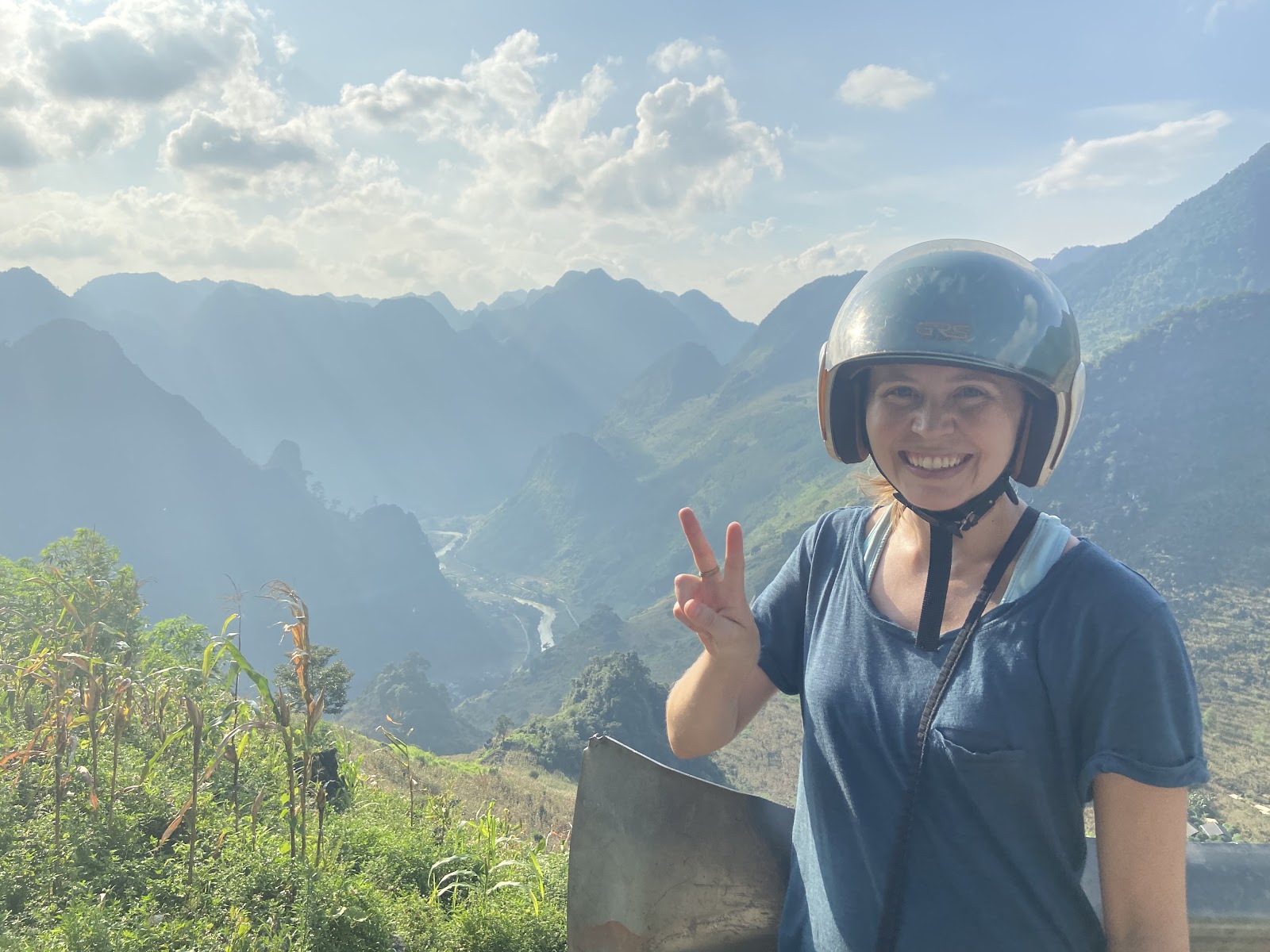
Kassy – Life as a TEFL Intern in Vietnam
Kassy, another Premier TEFL intern in Vietnam, talks about teaching through an English centre where she split her time between high schools and primary schools, describing a busy schedule that still left room for exploring her host city and bonding with other teachers. She emphasises that pre‑departure support, visa guidance, and in‑country training meant she could focus on her students rather than worrying about paperwork, and that the friendships she made with fellow interns turned Vietnam into a second home rather than just a short‑term trip.
For Kassy, the biggest surprise was how quickly her confidence grew: standing in front of large classes, leading games, and adapting lessons on the fly made her feel more capable in every area of life, and she now sees her Vietnam internship as a launchpad for future teaching and travel plans. These Vietnam stories underline how internships can deliver rapid personal growth, long‑lasting friendships, and a deeper understanding of local culture than you’d get as a tourist.

Who Should Choose Which Country?
This is where your personal priorities matter most. Use the points below as a quick decision‑making framework.
You’ll probably prefer Thailand if…
-
You’re a first‑time teacher who wants a soft landing with clear visa pathways, supportive school environments, and plenty of expat communities.
-
You value lifestyle and scenery – beaches, islands, temples, and a slightly more “polished” tourism infrastructure – as much as salary.
-
You want a more traditional Monday–Friday school schedule, especially in government or semi‑private schools, with evenings and weekends mostly free.
-
You’re comfortable saving a moderate amount each month rather than maximising earnings.
Example profile: A new graduate with a fresh TEFL certificate who wants their first overseas job in a friendly, well‑trodden TEFL destination with lots of other foreign teachers and structured support.
You’ll probably prefer Vietnam if…
-
You are focused on higher earnings and stronger savings potential, and you’re willing to work evenings/weekends in language centres or juggle multiple contracts.
-
You enjoy bustling cities and rapid development, with endless cafés, nightlife, and a more “startup” energy, especially in Ho Chi Minh City and Hanoi.
-
You don’t mind a bit of bureaucracy and flexibility when it comes to visas, paperwork, and school expectations, as long as you have guidance.
-
You see TEFL as a medium‑term or long‑term career move and want to build experience and savings in a competitive but rewarding market.
Example profile: A teacher with some experience (or serious motivation) who wants to earn well, pay off debt, or save aggressively while still enjoying travel and everyday adventures in fast‑paced cities.
Not sure yet? Ask yourself these questions
-
Is my top priority lifestyle or savings?
-
Lifestyle and comfort → Thailand.
-
Savings and high hourly rates → Vietnam.
-
-
Do I want a school‑year schedule or flexible, irregular hours?
-
Weekdays, predictable calendar → Thailand schools.
-
Evenings/weekends with more earning potential → Vietnam language centres.
-
-
How confident am I with bureaucracy and uncertainty?
-
Prefer structured programmes and clear guidance → Thailand (and Thailand internships).
-
Comfortable figuring things out locally and adapting → Vietnam, especially with a supported internship to ease you in.
-
Final Verdict: Thailand vs Vietnam
In 2026, Thailand remains one of the best TEFL destinations for first‑time teachers seeking community, sunshine, and a manageable workload, even if salaries are modest compared with some neighbours. Vietnam stands out for higher overall salaries and strong savings potential, especially in major cities, but tends to demand more flexibility with schedules, paperwork, and fast‑paced urban life.
If you want an easier, lifestyle‑driven first step into teaching abroad, Thailand is likely the better choice. If you’re ready to hustle a little, embrace big‑city energy, and prioritise building savings and long‑term skills, Vietnam might be the smarter move.
Still need help getting started? Try a supported internship
If you love the idea of teaching in Thailand or Vietnam but feel overwhelmed by visas, job hunting, and moving abroad alone, a structured TEFL internship is often the easiest way to start. With an internship, you get pre‑arranged placement, accommodation support, and a built‑in community of other teachers, so you can focus on your classroom and your new life rather than logistics.
Thailand internships: a soft landing in the Land of Smiles
A Thailand TEFL internship is perfect if you want a gentle, highly supported first step into teaching. You typically get:
-
A guaranteed school placement in a vetted public or private school.
-
Help with paperwork, visa arrangements, airport pick‑up, and local orientation.
-
Accommodation support (either included or pre‑arranged), so you’re not flat‑hunting alone in your first week.
-
In‑country support teams you can contact if anything goes wrong, from classroom worries to medical emergencies.
Day one usually starts with orientation: meeting your intern group, learning about Thai culture and classroom etiquette, and getting practical tips on lesson planning and behaviour management. By the time you arrive at your school, you’ll already know other teachers, understand the basics of Thai school life, and have a clear point of contact for any questions.
A Thailand internship suits you if you’re a first‑time teacher, you’re nervous about moving alone, or you want that classic “TEFL + travel + community” experience with beaches, temples, and weekend trips built in.
Vietnam internship: career momentum with strong support
If you’re drawn to Vietnam’s higher salaries and high‑energy cities but aren’t sure where to start, a Vietnam TEFL internship gives you a structured route into a fast‑moving market. Typically you can expect:
-
A guaranteed placement in a partner school or language centre, often in cities like Hanoi, Ho Chi Minh City, or Haiphong.
-
Practical visa and document guidance before you fly, plus help switching to the correct work status once you’re in‑country.
-
A multi‑day orientation with teaching workshops, classroom observations, and cultural activities.
-
A cohort of fellow interns to travel with, share housing, and swap lesson ideas.
Because Vietnam’s job market is busy and competitive, having a pre‑arranged placement removes a lot of uncertainty. You arrive knowing where you’ll teach, roughly how many hours you’ll work, and what your support network looks like. That makes it easier to concentrate on building savings and experience, rather than spending your first month job‑hunting in a new country.
A Vietnam internship is ideal if you want a mix of support and independence: you get guidance and structure, but you also gain the freedom to extend your stay, move into a direct‑hire job, or transition into online teaching once you’ve found your feet.
Whichever path you pick, an internship in Thailand or Vietnam turns the idea of teaching abroad from “someday” into an organised plan with real dates, real students, and a clear support system from day one.
The post Teaching English in Thailand vs Vietnam: Which Should You Choose? appeared first on Premier TEFL.