Best Cities to Teach English in Japan 2026: Tokyo, Osaka, Kyoto, & More Compared
Read time: 15 minutes
Author: Killian Bukulin, Teaching English in Japan Expert
If you want to find the best cities in Japan to teach English, you need to look beyond salaries and job boards. The city you choose will shape your daily routine, your social life, your savings, and how long you actually stay in Japan. Tokyo, Osaka, Kyoto, Fukuoka, Sapporo, and Nagoya all offer strong teaching markets, but they suit very different personalities and priorities.
This guide turns Premier TEFL’s six Japan city profiles into a practical chooser tool so you can work out which option feels like the best city in Japan to teach English for your lifestyle, career stage, and TEFL goals.
Already exploring visas and TEFL options? Pair this with Teach English in Japan 2026: Premier TEFL’s Complete City and TEFL Certification Guide for detailed salary bands, visa routes, and TEFL pathways by city.
How to Think About “Best City” (Not Just “Best Job”)
Before jumping into each city, clarify what “best” actually means for you. The best cities in Japan to teach English for one person may be a terrible fit for another.
Key factors that matter more than you think
When comparing cities, look at:
-
Work opportunities: Variety of jobs (eikaiwa, ALT, international schools, universities, corporate training).
-
Cost of living and savings: Rent, transport, and how far a typical teacher salary really goes.
-
Lifestyle and pace: Urban buzz vs calm, nightlife vs nature, crowds vs community.
-
Community and support: Size and character of the expat/teacher community.
-
Long‑term potential: Career growth, networking, and progression options.
Keeping those in mind makes it easier to decide which places feel like the best cities in Japan to teach English for your own rhythm, not just for Instagram.
A quick personality snapshot for each city
-
Tokyo: Career‑driven, social, thrives on noise and choice.
-
Osaka: Outgoing, food‑motivated, loves humour and friendliness.
-
Kyoto: Reflective, culture‑focused, appreciates tradition and aesthetics.
-
Fukuoka: Balanced, community‑oriented, likes city comforts without stress.
-
Sapporo: Outdoorsy, winter‑friendly, enjoys space and seasons.
-
Nagoya: Pragmatic, financially savvy, values stability and central location.
Use that as a mental filter as you read each city section.
Quick Personality Quiz: Which City Sounds Like You?
Answer these honestly; don’t pick what you think you should like.
Question 1: How much city intensity do you actually enjoy?
-
A. The more skyscrapers and neon, the better.
-
B. I like big‑city energy, but with friendlier faces and cheaper rent.
-
C. I prefer smaller‑city calm and historic streets.
-
D. I want a manageable city that still has everything I need.
-
E. I’m happiest somewhere with nature, snow, and fewer crowds.
-
F. I want a big city that lets me save money and travel often.
Question 2: What excites you most about Japan outside the classroom?
-
A. Nightlife, tech, and endless events.
-
B. Street food, comedy, and socialising.
-
C. Temples, gardens, traditional festivals.
-
D. Beaches, parks, and café culture.
-
E. Skiing, snow festivals, hot springs.
-
F. Easy access to multiple regions by shinkansen.
Question 3: How important is maximum earning and networking potential?
-
A. Very important – I want to maximise opportunities.
-
B. Important, but work‑life balance matters too.
-
C. Less important – cultural immersion is my priority.
-
D. I care more about quality of life and savings.
-
E. I care about lifestyle and nature more than income.
-
F. I want strong earnings and savings, quietly.
Question 4: How do you feel about being surrounded by other foreigners?
-
A. I like a big, diverse international community.
-
B. I want a social scene, but not just expats.
-
C. I prefer smaller, niche international communities.
-
D. I want a friendly but not overwhelming expat scene.
-
E. I’m fine with a smaller, tight‑knit group.
-
F. I’m happy with a moderate expat presence and strong local ties.
How your answers map to cities
-
Mostly A: Tokyo
-
Mostly B: Osaka
-
Mostly C: Kyoto
-
Mostly D: Fukuoka
-
Mostly E: Sapporo
-
Mostly F: Nagoya
If you had a mix, keep two or three cities in mind as you read on; that’s often how teachers actually narrow down their personal best cities in Japan to teach English.
Tokyo – Electric Metropolis for Ambitious Teachers
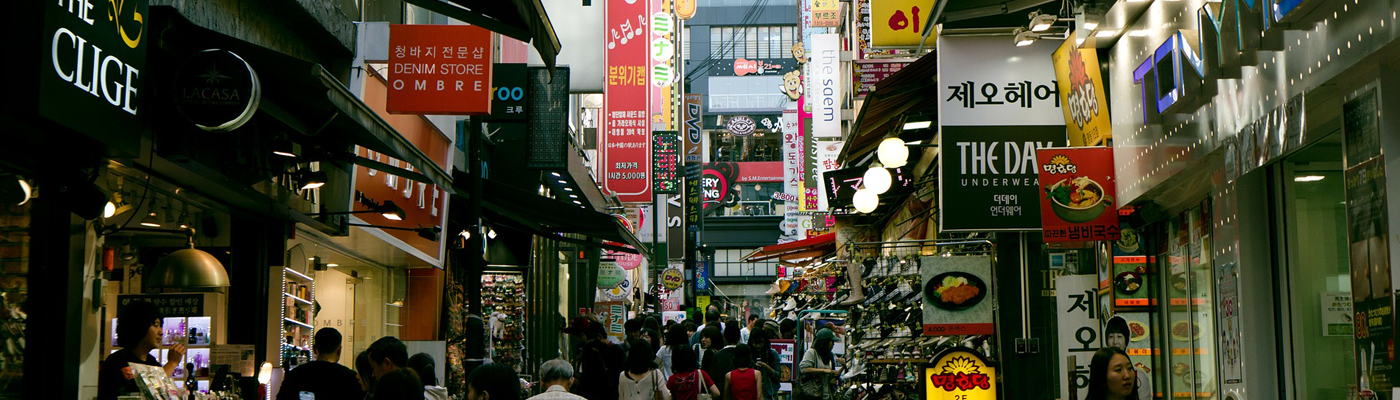
Tokyo is the world’s largest metropolitan area and the centre of Japan’s English‑teaching ecosystem. Job variety, international buzz, and career possibilities are unmatched, which is why many see it as the best cities in Japan to teach English if you prioritise opportunity over everything else.
Work and career in Tokyo
Tokyo offers:
-
Countless eikaiwa branches and private language schools.
-
ALT placements via JET and dispatch companies across the wider metro area.
-
A high concentration of international schools and universities.
-
Strong demand for Business English and exam prep (TOEIC and EIKEN).
Teachers in Tokyo often stitch together multiple income streams: a main contract plus private students, exam prep classes, or corporate training. It is also where a Level 5 TEFL and specialist certificates (Business English, Exam Prep) have the biggest payoff.
Lifestyle, cost of living, and community
Life in Tokyo is fast, bright, and crowded:
-
Highest rents in Japan, but still often cheaper than London or New York.
-
World‑class public transport that can get crowded at peak times.
-
Huge, diverse international community – great for networking, but less “small‑town” feel.
Tokyo works best if you enjoy stimulation and don’t mind smaller apartments. For many ambitious teachers, this combination makes it the best city in Japan to teach English during the early and mid‑career stages.
Osaka – Food, Humour, and Big‑City Warmth
Osaka delivers much of Tokyo’s job market but with a more relaxed, down‑to‑earth personality. Locals are famously chatty, which makes daily life and teaching both more interactive.
Work and career in Osaka
Osaka is a major commercial hub, so you can expect:
-
Plenty of eikaiwa roles and ALT positions.
-
Strong demand for Business English with company clients.
-
Good opportunities for private lessons thanks to approachable locals.
Teachers interested in corporate training often find Osaka a better fit than Tokyo because expectations are slightly less intense, yet pay can still be strong.
Lifestyle, cost of living, and community
In Osaka you get:
-
Lower rent than Tokyo, with still excellent city infrastructure.
-
A famous food and nightlife scene (takoyaki, okonomiyaki, izakaya culture).
-
A social, tight‑knit teacher and expat community.
If you’re sociable, love street food, and want big‑city convenience without the full Tokyo intensity, Osaka may quietly become one of your best cities in Japan to teach English and actually enjoy your days off.

Kyoto – Cultural Heart for Reflective Teachers
Kyoto is Japan’s former capital and remains the country’s cultural showpiece, with temples, shrines, and traditional districts that shape both daily life and tourism.
Work and career in Kyoto
Kyoto’s teaching market is smaller but more specialised:
-
A limited number of eikaiwa and school roles.
-
A relatively high concentration of universities and academic institutions.
-
Fewer international schools than Tokyo or Osaka, but selective.
Teachers with strong qualifications (Level 5 TEFL, plus degrees in TESOL or related fields) may find Kyoto particularly rewarding if they are drawn to university teaching and academic environments.
Lifestyle, cost of living, and community
Living in Kyoto means:
-
A calmer pace, with strong seasonal rhythms (cherry blossoms, autumn leaves).
-
Moderate rents that sit between Tokyo and smaller cities.
-
An international community skewed toward academics, long‑term residents, and culture‑seekers.
Kyoto is not always one of the best cities in Japan to teach English if your main goal is nightlife or constant events, but it can be ideal if you care more about aesthetics, history, and a slower, reflective lifestyle.
Fukuoka – Balanced, Livable Gateway to Asia
Fukuoka sits on Kyushu and has grown into one of Japan’s most liveable big cities. Compact, friendly, and well‑connected, it often surprises teachers who discover it after initially focusing only on Tokyo or Osaka.
Work and career in Fukuoka
Fukuoka offers:
-
A solid, growing eikaiwa market.
-
ALT roles across the city and surrounding prefecture.
-
Increasing numbers of international schools and university posts.
-
Emerging opportunities in startups and corporate training.
Because the cost of living is lower, even standard salaries go further here. For teachers wanting a comfortable, sustainable lifestyle, Fukuoka can be one of the best cities in Japan to teach English in terms of value for money.
Lifestyle, cost of living, and community
Fukuoka’s strengths include:
-
Lower rents and shorter commutes than the Tokyo–Osaka corridor.
-
Easy access to beaches, parks, and nearby countryside.
-
A friendly expat community that is growing but still feels manageable.
If quality of life, community, and savings matter as much as prestige, Fukuoka is worth serious consideration.
Sapporo – Northern Star for Seasons and Space
Sapporo, on Hokkaido, offers a very different experience from Japan’s main Honshu cities. Think snow, skiing, and wide streets rather than dense neon‑lit districts.
Work and career in Sapporo
In Sapporo you’ll find:
-
Eikaiwa roles and ALT positions, often with slightly lower competition.
-
Seasonal demand linked to tourism and ski resorts.
-
Some university and specialist language school opportunities.
Teachers who love winter sports or prefer cooler climates often see Sapporo as one of their best cities in Japan to teach English because the lifestyle aligns with their hobbies.
Lifestyle, cost of living, and community
Expect in Sapporo:
-
Real winters with snow from roughly November to March.
-
Comfortable summers that are much cooler than Tokyo or Osaka.
-
Moderate rents and a slower pace of life.
-
A smaller, tight‑knit expat and teacher community that tends to bond around shared outdoor interests.
If you enjoy seasons, snow, and nature more than mega‑city convenience, Sapporo can be a great base.
Nagoya – Under‑Rated Powerhouse for Savers and Strategists
Nagoya is often overlooked in favour of Tokyo and Osaka, but it offers a strong job market, good infrastructure, and excellent geographical positioning between key regions.
Work and career in Nagoya
Nagoya stands out for:
-
Strong demand for Business English thanks to major manufacturers and corporate HQs.
-
A regular spread of eikaiwa and ALT jobs.
-
Some international school and university opportunities.
Because competition is slightly lower than in Tokyo or Osaka, teachers with solid TEFL credentials can often secure good roles more quickly. For those who want to combine stable income with good savings potential, Nagoya can genuinely be one of the best cities in Japan to teach English long‑term.
Lifestyle, cost of living, and community
Living in Nagoya usually means:
-
Rents lower than Tokyo, similar or slightly better value than Osaka.
-
A calmer, more spacious city feel than the largest metros.
-
Convenient access to Tokyo, Kyoto, and Osaka via shinkansen.
-
A moderate‑sized expat community with a practical, work‑focused vibe.
Nagoya tends to suit teachers who are serious about savings, travel, and career stability rather than maximum nightlife.
Which City Fits Your TEFL Pathway?
Choosing the best city in Japan to teach English is also about aligning your TEFL training with what local employers want most.
If you have a 120‑hour TEFL (and want to grow)
You may be best matched with:
-
Tokyo or Osaka: Eikaiwa chains, ALT roles, entry‑level positions with room to progress.
-
Fukuoka: A good balance of opportunities and lifestyle while you build experience.
In these cities, 120 hours gives you a solid starting point, and you can add specialisms like Young Learners or Online Teaching over time.
If you hold a Level 5 TEFL Diploma or advanced credentials
Your options widen to include:
-
Tokyo and Osaka: International schools, higher‑tier eikaiwa, exam prep and corporate training.
-
Kyoto: University and academic roles where Level 5 plus a related degree is a strong advantage.
-
Nagoya: Business‑oriented roles for corporate and industry clients.
Here, the best city in Japan to teach English might be the one that maximises your advanced qualifications rather than simply offering the most entry‑level jobs.
If you want a strong side hustle or freelance path
Cities with good potential for private lessons and online top‑ups include:
-
Tokyo: Huge pool of potential private students and corporate clients.
-
Osaka: Social environment that makes it easier to network and pick up students.
-
Fukuoka and Nagoya: Smaller, but still strong demand – and your costs are lower.
In these places, pairing your core TEFL with Business English, Exam Prep, or Online Teaching can make a noticeable difference to your earnings.
Comparison Table: Work, Lifestyle, and Savings by City
| City | Job Market Intensity | Typical Cost of Living | Lifestyle Pace | Expat Community Feel | Best Suited Personality |
|---|---|---|---|---|---|
| Tokyo | Very high (all sectors) | Highest | Fast, intense, 24/7 | Large, diverse, diffuse | Ambitious, career‑driven, social |
| Osaka | High (eikaiwa, ALT, business) | High but cheaper than Tokyo | Energetic, informal | Social, tight‑knit | Outgoing, food‑loving, humour‑oriented |
| Kyoto | Moderate, more specialised | Medium‑high | Calm, traditional | Smaller, academic and artsy | Reflective, culture‑focused, patient |
| Fukuoka | Solid and growing | Lower among big cities | Relaxed, balanced | Friendly, accessible | Community‑oriented, value quality of life |
| Sapporo | Moderate, some seasonal | Moderate | Seasonal, outdoorsy | Smaller, close‑knit | Outdoorsy, winter‑friendly, independent |
| Nagoya | Strong, especially business‑linked | Moderate | Calm, pragmatic | Moderate, practical | Savers, planners, central‑location lovers |
Use this as a quick visual when deciding what “best” means for you. A teacher chasing maximum variety and networking will see Tokyo as the best city in Japan to teach English; someone focused on savings and stability might pick Nagoya or Fukuoka instead.
Disclaimer: This guide is for general information about teaching English abroad and TEFL certification and does not constitute legal, immigration, tax, financial, or employment advice. Visa rules, salaries, hiring practices, and eligibility requirements for teaching English in countries such as Japan change frequently, and details may vary by school, region, and applicant profile. Premier TEFL does not guarantee job placement, visa approval, salary levels, or specific outcomes and makes no warranty as to the accuracy, completeness, or timeliness of the information on this page or linked resources. Before making decisions about moving abroad, applying for visas, or accepting contracts, readers should confirm all requirements with official government sources, embassies, and qualified professional advisors. Premier TEFL accepts no liability for any loss, cost, or consequences arising from reliance on this content or on third‑party sites we reference.
About Premier TEFL
Premier TEFL designs accredited, globally recognised TEFL courses that prepare teachers for real classrooms and real students. From flexible 120‑hour training to the 180‑hour Level 5 TEFL Diploma and specialist micro‑credentials in Young Learners, Business English, Exam Preparation, and Online Teaching, Premier TEFL equips you with the skills, confidence, and credibility to build a sustainable teaching career in Japan and beyond.
Watch: Webinar – Recruitment Info Session: Teach in Japan, Thailand and Vietnam | Premier TEFL
Watch: Japan TEFL Teacher: Sheldon’s Story…
The post Best Cities to Teach English in Japan 2026 appeared first on Premier TEFL.