Summer TEFL: Short‑Term Teaching & Summer Camps Guide
If you want to teach English abroad in summer 2026 but can’t commit to a full academic year, short‑term TEFL programs and summer camps are your ideal entry point. You can spend 4–12 weeks building teaching experience, travelling, and immersing yourself in another culture — and still be home in time for autumn term or your next career step.
This guide walks you through everything you need to know about Summer TEFL 2026: how short‑term TEFL jobs work, where you can go, what you’ll earn, and how to prepare for a successful summer abroad. It’s written with Premier TEFL learners in mind, so you can clearly see how a TEFL certificate turns your summer into a paid, purposeful adventure.
Why Summer 2026 Is the Perfect Time to Teach English Abroad
Summer 2026 falls at a sweet spot: demand for seasonal English teachers is high, and more schools and camps are actively recruiting certified, short‑term teachers for the holiday period. Many organisations specifically advertise summer TEFL 2026 roles several months in advance, offering fixed‑term contracts, residential camp positions, or flexible short‑term placements.
Choosing to teach English abroad summer 2026 gives you:
-
A limited‑time, low‑risk commitment (often 2–12 weeks) rather than a 9–12 month contract.
-
A structured experience abroad with support, training, and a clear end date.
-
A strong CV boost, with international teaching and cross‑cultural skills employers recognise.
-
A chance to test whether longer‑term TEFL or an international career suits you.
These roles are ideal if you are:
-
A university student on summer break who wants meaningful travel.
-
A recent graduate exploring career directions and building experience.
-
A qualified teacher seeking CPD in a new context.
-
A career changer who wants to “try out” life abroad without a full relocation.
-
A traveller who prefers structure, community, and a modest income instead of a purely backpacking trip.
Instead of spending your summer in a casual job, Summer TEFL 2026 lets you earn, travel, and make a tangible impact on learners’ lives at the same time.
What Is a Summer TEFL Program?
A summer TEFL program is a short‑term teaching placement that runs during school holidays in the host country, often between May and September. These roles focus heavily on communication, fluency, and confidence, using games, projects, and real‑life tasks rather than exam‑driven lessons.
You’ll usually work in one of three main settings:
-
Summer English camps abroad, with residential groups of children or teenagers.
-
Language school intensives, where learners attend extra classes over the holidays.
-
Short‑term TEFL jobs at colleges or universities offering intensive courses or pre‑sessional programs.
Typical weekly teaching hours range from 15 to 25 classroom hours, plus additional time for activities, excursions, and informal language practice.
Typical Program Lengths by Region
| Region | Main Hiring Period | Program Length |
|---|---|---|
| Europe | June – August | 2–8 weeks |
| East Asia | July – September | 4–10 weeks |
| Southeast Asia | May – August | 4–12 weeks |
Summer English Camps vs Short‑Term TEFL Contracts
Understanding the difference between summer English camps abroad and general short‑term TEFL roles helps you choose the right experience.
| Feature | Summer Language Camps | Short‑Term Teaching Contracts |
|---|---|---|
| Focus | Fun, immersion, and activities | Structured classroom teaching |
| Students | Children and teenagers | Teens, university students, adults |
| Environment | Residential camp, often countryside | Language schools, colleges, universities |
| Teaching Load | Lighter lessons, more games and trips | More academic, syllabus‑driven |
| Social Atmosphere | Highly social, team‑based living | More independent lifestyle |
| Best For | First‑time TEFL teachers, students | Those building long‑term teaching careers |
Where to Teach English Abroad in Summer 2026
TEFL Summer Programs in Europe
Europe remains one of the most popular regions for Summer TEFL 2026 because it offers structured programs, strong pastoral support, and relatively short flights from many countries.
Why choose Europe?
-
Many camps and schools are specifically designed for short‑term TEFL teachers.
-
Accommodation and often meals are provided, helping you keep costs down.
-
Schengen and rail networks make multi‑country travel on days off realistic.
-
High demand for conversational English and culture‑based activities.
-
Ideal for newly TEFL‑certified teachers looking for a supportive first role.
You’ll find TEFL summer programs in Europe in:
- Germany: Premier TEFL Summer Camp Internship – If you want the classic camp experience with structured support, Premier TEFL’s paid Germany camp internship is a perfect fit. You’ll spend 5–10 weeks teaching 6–16‑year‑olds in outdoor adventure camps, combining around 15 hours of conversational English per week with up to 35 hours of games, excursions, drama, music, and campfire activities. Rent‑free accommodation, cultural excursions, and a full orientation in Walsrode make this one of the most accessible summer TEFL 2026 options in Europe.
-
Spain and Italy – popular for immersive youth camps and city‑based language schools.
-
France – international summer schools and bilingual camps.
-
Central and Eastern Europe – such as Czech Republic, Romania, and Poland, often with lower living costs.
-
Ireland and the UK – junior summer schools, homestay programs, and campus‑based language centres.
Camps typically include a mix of classroom sessions, sports, arts, workshops, and day trips, all conducted in English.
TEFL Summer Programs in Asia
Asia offers TEFL summer programs with a different flavour: higher earning potential, structured curricula, and deep cultural immersion.
You’ll see roles advertised in:
-
Japan and South Korea – intensive language schools and short‑term camps.
-
Thailand and Vietnam – summer language courses and short‑term community projects.
-
Taiwan, Hong Kong, Indonesia, and Singapore – seasonal camps and intensive programs.
Reasons to choose Asia for Summer TEFL 2026:
-
Pay often compares favourably to local costs, giving strong savings potential.
-
Teachers enjoy high social status and clear expectations.
-
Placements suit those who want to test long‑term TEFL in Asia without committing to a full year.
These roles are often more classroom‑heavy than European camps, which is ideal if you want to build your TEFL portfolio quickly.

Pay, Perks, and Savings for Summer TEFL 2026
Because short‑term TEFL jobs need to attract teachers for just a few weeks, many employers offer comprehensive packages. Your headline salary might be modest, but included housing, food, or transport can make the overall value surprisingly strong.
Salary & Benefits Overview
| Region | Weekly Pay | Accommodation | Meals | Flights | Savings Potential |
|---|---|---|---|---|---|
| Western Europe | €250–€450 | Usually included | Often included | Rare | Moderate |
| Eastern Europe | €200–€350 | Included | Sometimes | Rare | Moderate |
| Southeast Asia | €350–€600 | Sometimes | Rare | Occasionally | High |
| East Asia | €500–€800 | Often provided | Rare | Possible | High |
What You Actually Teach on a Summer TEFL Program
Summer TEFL is built around communication, participation, and real‑world English use. Your students usually cover grammar during term time; summer is their chance to practise speaking, listening, and interacting in a more relaxed environment.
Typical lesson types include:
-
Speaking workshops, roleplays, and everyday dialogues.
-
Travel and culture discussions, from ordering food to planning trips.
-
Team challenges, debates, and problem‑solving tasks.
-
Creative storytelling, drama, and presentations.
-
Project‑based learning, such as designing a magazine or hosting a mock TV show.
-
Outdoor or “task‑based” lessons using the local environment as your classroom.
This style of teaching is dynamic and interactive, making it particularly attractive to first‑time teachers who enjoy creativity and movement.
Application Timeline for Summer TEFL 2026
The earlier you prepare, the more choice you’ll have in location and role type.
| Timeframe | Recommended Action |
|---|---|
| Oct–Dec 2025 | Start or complete a 120‑hour accredited TEFL certificate. |
| Jan 2026 | Apply for TEFL summer programs and camps; many close apps in late winter. |
| Feb–Mar 2026 | Attend interviews, provide documents, and secure a placement. |
| Apr 2026 | Arrange visas (if required), travel, insurance, and any vaccinations. |
| May 2026 | Prepare lesson ideas, materials, and cultural research. |
| Jun–Aug 2026 | Teach abroad and enjoy your Summer TEFL 2026 experience. |
Requirements to Teach English Abroad in Summer 2026
Requirements vary by country and provider, but there are consistent minimums across most short‑term TEFL jobs.
Common requirements:
-
120‑hour TEFL certificate from an accredited provider.
-
Native or near‑native English fluency (usually C1–C2).
-
A valid passport and clear background check.
-
Enthusiasm, flexibility, and the ability to work with young learners or mixed‑ability groups.
A bachelor’s degree is typically required for visa‑sponsored work in East Asia and the Middle East, but many TEFL summer programs in Europe accept non‑degree holders, especially for camp and activity roles.
A Typical Week on a Summer TEFL Program
While every camp or school is different, most weeks balance classroom teaching with cultural and social activities.
| Day | Morning | Afternoon | Evening |
|---|---|---|---|
| Monday | Placement tests, ice‑breakers, speaking tasks | Campus tour, team games | Welcome event or quiz night |
| Tuesday | Communication lessons, roleplays | Sports, arts, or workshops | Free time or optional activities |
| Wednesday | Group project work | Local excursion or city visit | Social night, film, or cultural event |
| Thursday | Functional language lessons | Team challenges, talent show prep | Lesson planning and informal hang‑outs |
| Friday | Student presentations, feedback | Final games or competitions | Farewell party or awards ceremony |
Budgeting: What You’ll Spend vs What You’ll Save
One of the most common questions is whether taking a Summer TEFL 2026 role is financially “worth it”. For most teachers, the answer is yes, especially when you factor in reduced living costs.
Sample 6‑Week Budget: Europe Camp Role
| Item | Cost | Notes |
|---|---|---|
| Accommodation | Included | Residential on‑site |
| Meals | Included or low‑cost | Often full board at camps |
| Local transport | ~€40 | Occasional buses or trains |
| Personal spending | ~€150 | Leisure, cafes, small trips |
| Weekly salary | ~€350 | Typical for Western Europe summer roles |
Packing Checklist for Summer Teaching Abroad
Packing for TEFL summer programs in Europe or Asia is about versatility and comfort rather than volume.
Essentials to bring:
-
Teaching tools: lightweight laptop or tablet, USB drive, notebook, and a few adaptable games or flashcards.
-
Clothing: smart‑casual outfits for teaching, comfortable shoes, and activity‑friendly clothes for sports or excursions.
-
Documents: passport, printed and digital copies of your TEFL certificate, visa documents, insurance, and your contract.
-
Practical extras: universal adapter, reusable water bottle, small backpack or day‑pack, and any essential medication.
Most camps provide teaching materials and basic equipment, so you don’t need to bring a suitcase full of textbooks.
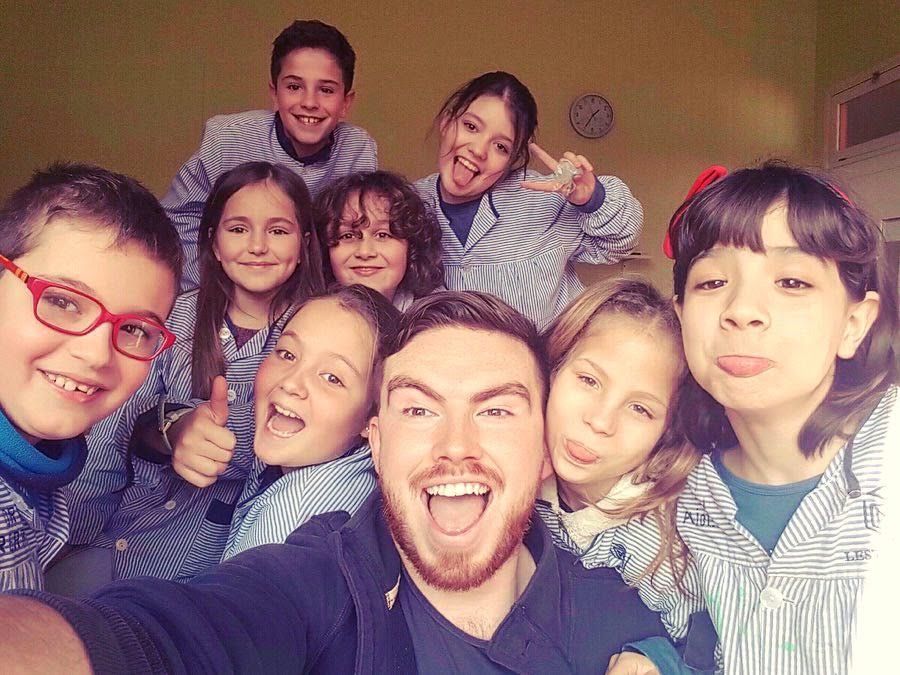
What First‑Time Teachers Don’t Expect (But Love)
Many first‑time teachers imagine standing at a whiteboard all day, but Summer TEFL 2026 is much more varied. You’re part teacher, part mentor, part activity leader, and sometimes big sibling or role model.
Expect:
-
A lively, informal learning environment with lots of movement and laughter.
-
Strong bonds with students, co‑teachers, and international staff.
-
Creative freedom to design engaging activities and projects.
-
Daily cultural exchange — you’ll learn as much as your students do.
Be ready for:
-
High‑energy, full days, especially in residential camps.
-
Wearing multiple hats: teacher, activity leader, occasional problem‑solver.
-
Adapting quickly to different levels, personalities, and last‑minute changes.
Most teachers describe their first summer abroad as intense but incredibly rewarding — the kind of experience that stays with you for life.
Skills You’ll Gain from a Summer of TEFL
Even a single summer abroad can transform your personal and professional profile.
You’ll build:
-
Classroom management and leadership – handling groups, giving instructions, and motivating learners.
-
Cross‑cultural communication – navigating cultural differences and adapting your style.
-
Public speaking confidence – presenting to groups daily in a supportive environment.
-
Problem‑solving and resilience – dealing with homesickness, timetable changes, or unexpected challenges.
-
Global awareness and empathy – working with students and staff from many backgrounds.
These skills transfer directly into careers in education, tourism, business, marketing, non‑profits, and international organisations.
How Summer TEFL 2026 Can Lead to Long‑Term Opportunities
Many teachers sign up for Summer TEFL 2026 as a one‑off experience and end up turning it into a longer journey.
Short‑term roles can lead to:
-
Full academic‑year teaching contracts in the same country or region.
-
Online English teaching roles you can do from anywhere.
-
Recruitment into international schools or bilingual programs.
-
Specialist roles in curriculum design, teacher training, or education management.
-
A flexible travel‑and‑work lifestyle, mixing in‑person teaching with remote work.
Summer placements also expand your professional network; you’ll meet programme directors, fellow teachers, and local staff who can recommend you for future positions.
Is Summer TEFL 2026 Right for You?
You’re a strong fit for Summer TEFL 2026 if you want:
-
A meaningful way to travel, not just a holiday.
-
Career‑boosting experience in a short, defined timeframe.
-
A structured, supported adventure with clear responsibilities.
-
International friendships and a global professional network.
-
A stepping stone into broader overseas work or study opportunities.
If you’re excited by the idea of combining income, impact, and unforgettable experiences, short‑term TEFL jobs and summer English camps abroad are some of the most accessible ways to do it.
Start Preparing Now with Premier TEFL
The most competitive TEFL summer programs in Europe and Asia fill their places early and prioritise candidates who already hold a recognised TEFL qualification. Completing your 120‑hour accredited course now means you can apply with confidence and secure your ideal destination and role.
With flexible online training and practical modules, you can qualify in a matter of weeks and still have plenty of time to research programs, get interview‑ready, and plan your summer abroad.
Summer TEFL 2026 isn’t just another seasonal job. It’s your opportunity to travel with purpose, grow professionally, and experience the world in a way ordinary tourists never do.
The post Summer TEFL: Short‑Term Teaching & Summer Camps Guide appeared first on Premier TEFL.