Documents You Need to Teach English Abroad (Complete Checklist)
Teaching English abroad is an exciting opportunity to travel, immerse yourself in new cultures, and build a rewarding international career. But before you pack your bags and book your flight, there’s one crucial step you can’t afford to overlook: getting your documents in order.
From visas and qualifications to medical checks and financial proof, having the correct paperwork is essential for a smooth transition overseas. Missing even one key document can delay your plans—or worse, prevent you from starting your job.
This guide will walk you through everything you need, broken down into a clear, practical checklist so you can feel confident and fully prepared.
Why Your Documents Matter
When teaching abroad, your documents are more than just paperwork—they’re your gateway to legally living and working in another country.
Schools, governments, and immigration authorities require documentation to:
- Verify your qualifications
- Confirm your identity
- Ensure you meet legal working requirements
- Protect students and institutions
Being organised early saves time, reduces stress, and makes you a more attractive candidate to employers.
Your Essential Documents Checklist
Here’s a complete breakdown of the documents you’ll likely need when teaching English abroad:
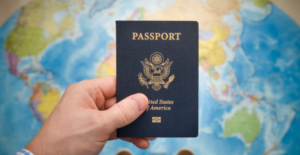
1. Valid Passport
This is the most important document you’ll need.
Key requirements:
- Must be valid for at least 6–12 months beyond your planned stay
- Should have multiple blank pages
- Must be in good condition
Tip: If your passport is close to expiring, renew it before applying for jobs or visas.
2. TEFL Certification
A TEFL (Teaching English as a Foreign Language) certificate is often a minimum requirement for teaching abroad.
What you need:
- A recognised TEFL certificate (usually 120 hours or more)
- A digital and printed copy
Some countries or employers may request:
- Course transcripts
- Proof of practical teaching hours

3. University Degree (if required)
Not all countries require a degree, but many do—especially in Asia and the Middle East.
What to prepare:
- Original degree certificate
- Certified copies
- Transcripts (in some cases)
Important: Some countries require your degree to be authenticated or apostilled (officially verified).

4. Teaching Resume / CV
Your CV should be tailored specifically for teaching roles.
Include:
- TEFL certification
- Education and qualifications
- Relevant work experience
- Transferable skills (communication, leadership, etc.)
Keep it clear, professional, and ideally 1–2 pages long.

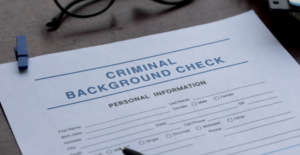
5. Criminal Background Check
Also known as a police clearance certificate.
Why it’s required:
To ensure the safety of students and confirm you have no serious criminal record.
Types include:
- National police check
- International background check (depending on country)
Important:
- Must usually be issued within the last 3–6 months
- May need to be notarised or apostilled
6. Work Visa / Work Permit
You cannot legally teach abroad without the correct visa.
Common requirements:
- Job offer from a school
- Sponsored visa application
- Supporting documents (degree, TEFL, passport, etc.)
Tip: Many schools will guide you through the visa process, but you’re responsible for providing accurate documents.

7. Medical Certificate / Health Check
Some countries require proof that you’re in good health.
This may include:
- General medical examination
- Blood tests
- Chest X-ray (for tuberculosis screening)
- Vaccination records
Requirements vary by destination, so always check in advance.

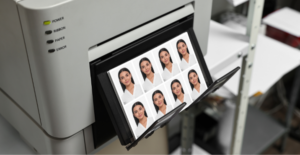
8. Passport Photos
You’ll need these for:
- Visa applications
- Work permits
- Official documents
Tip: Bring multiple copies and keep digital versions as well.
9. Proof of Finances
Some countries require evidence that you can support yourself initially.
Examples:
- Bank statements
- Savings account proof
- Sponsorship documents
This is especially important if:
- You’re entering on a tourist visa first
- Your first paycheck will be delayed

10. Reference Letters
Strong references can significantly boost your job application.
Who to ask:
- Previous employers
- University lecturers
- TEFL trainers
Tip: Have both digital and printed copies ready.

11. Employment Contract
Once you secure a job, you’ll receive a contract outlining your role.
Check for:
- Salary and benefits
- Working hours
- Accommodation (if provided)
- Visa sponsorship
Always read carefully before signing.

12. Travel Insurance
While not always mandatory, it’s highly recommended.
Covers:
- Medical emergencies
- Lost luggage
- Travel delays
Some schools or countries may require proof of insurance before arrival.

13. Apostille & Document Authentication
Many countries require official verification of documents.
This applies to:
- Degrees
- Background checks
- Birth certificates (in some cases)
What is an apostille?
It’s an official stamp that proves your document is legitimate for international use.
Important: This process can take time—start early.

Country-Specific Requirements
Every destination has slightly different requirements. For example:
- Asia:
Often requires a degree, TEFL certificate, and apostilled documents - Europe:
May be more flexible, especially within the EU - Middle East:
Typically requires higher qualifications and verified documents - Latin America:
Generally more relaxed requirements, but lower salaries
Always research your chosen destination carefully.
Common Mistakes to Avoid
Getting your documents wrong can delay your plans. Here are some common pitfalls:
- ❌ Waiting too late to apply for a passport or visa
- ❌ Not checking expiration dates
- ❌ Forgetting to apostille documents
- ❌ Bringing only digital copies (always have printed versions too)
- ❌ Not researching country-specific requirements
Pro Tips for Staying Organised
- Create both digital and physical folders
- Scan and back up all documents online
- Label everything clearly
- Keep multiple copies of key documents
- Start early—some processes take weeks or months
Final Thoughts
Teaching English abroad is one of the most rewarding experiences you can have—but preparation is key. Having all your documents ready not only ensures a smooth transition but also gives you peace of mind as you begin your journey.
Think of this checklist as your roadmap. Once your paperwork is sorted, you can focus on what really matters: exploring a new country, meeting incredible people, and making a difference through teaching.
The post Documents You Need to Teach English Abroad (Complete Checklist) appeared first on Premier TEFL.