Choosing the Right Country to Teach English Abroad: A Personality-Based Guide
Deciding to teach English abroad is an exciting step. It’s the kind of decision that opens doors to new cultures, new friendships, and a completely different way of life. For many people, it’s also the first time they’ve lived outside their home country. Naturally, one of the biggest questions new teachers ask is simple: Where should I go?
A quick online search will give you endless lists of “Top Countries to Teach English Abroad.” While these lists can be helpful, they often miss something important. The truth is that the best country to teach English abroad isn’t the same for everyone. What feels like the perfect destination for one teacher might not suit another at all.
Some people head abroad because they want adventure and travel. Others are focused on building a career, saving money, or experiencing a new lifestyle. The key to choosing the right country is understanding what you want from the experience.
Instead of giving you another generic list of destinations, this guide takes a different approach. Think of it as a personality-based guide to teaching abroad. By thinking about your motivations, lifestyle preferences, and goals, you can start to picture the kind of destination that will suit you best.
Teaching abroad is more than just a job. It’s a life experience, and the country you choose will shape that experience in ways you might not expect.
Why Your Destination Matters More Than You Think
When people imagine teaching English abroad, they often picture the big highlights: exploring temples in Thailand, experiencing the fast-paced energy of cities like Seoul in South Korea, or wandering through the vibrant street markets of Vietnam. While those moments are definitely part of the experience, they’re only a small piece of the bigger picture.
The reality is that wherever you go, your daily life will include routines just like anywhere else. You’ll be commuting to work, planning lessons, grocery shopping, meeting friends, and gradually building a life in a new place. That’s why choosing the right country matters so much. It’s not just about where you want to travel — it’s about where you want to live.
Different destinations offer very different lifestyles. Some countries have structured work schedules and competitive salaries. Others offer more flexibility and a relaxed pace of life. Some locations are perfect for exploring nearby countries, while others provide opportunities to save money or gain long-term teaching experience.
Thinking about your priorities early on can make a huge difference. When teachers choose a destination that matches their personality and goals, they tend to have far more rewarding experiences.
The Four Teaching Abroad Personality Types
Although every teacher’s journey is unique, many people find they fit into one of four broad motivations for teaching abroad. You might recognise yourself immediately in one of these, or you might see a mix of two or more.
Some teachers are explorers, motivated by travel and new experiences. Others are career builders, looking for professional development and strong salaries. There are also lifestyle seekers, who want to immerse themselves in culture and enjoy a slower pace of life. Finally, some teachers are strategic savers, choosing destinations where they can build financial stability while working abroad.
These categories aren’t strict boxes. Instead, they help you think about what matters most to you and what kind of environment you might thrive in.
The Explorer: Teaching Abroad as an Adventure
For many people, teaching English abroad begins with a simple dream: seeing the world. If you’ve always wanted to experience new cultures, meet people from different backgrounds, and travel beyond the typical tourist routes, teaching abroad can be one of the most rewarding ways to do it.
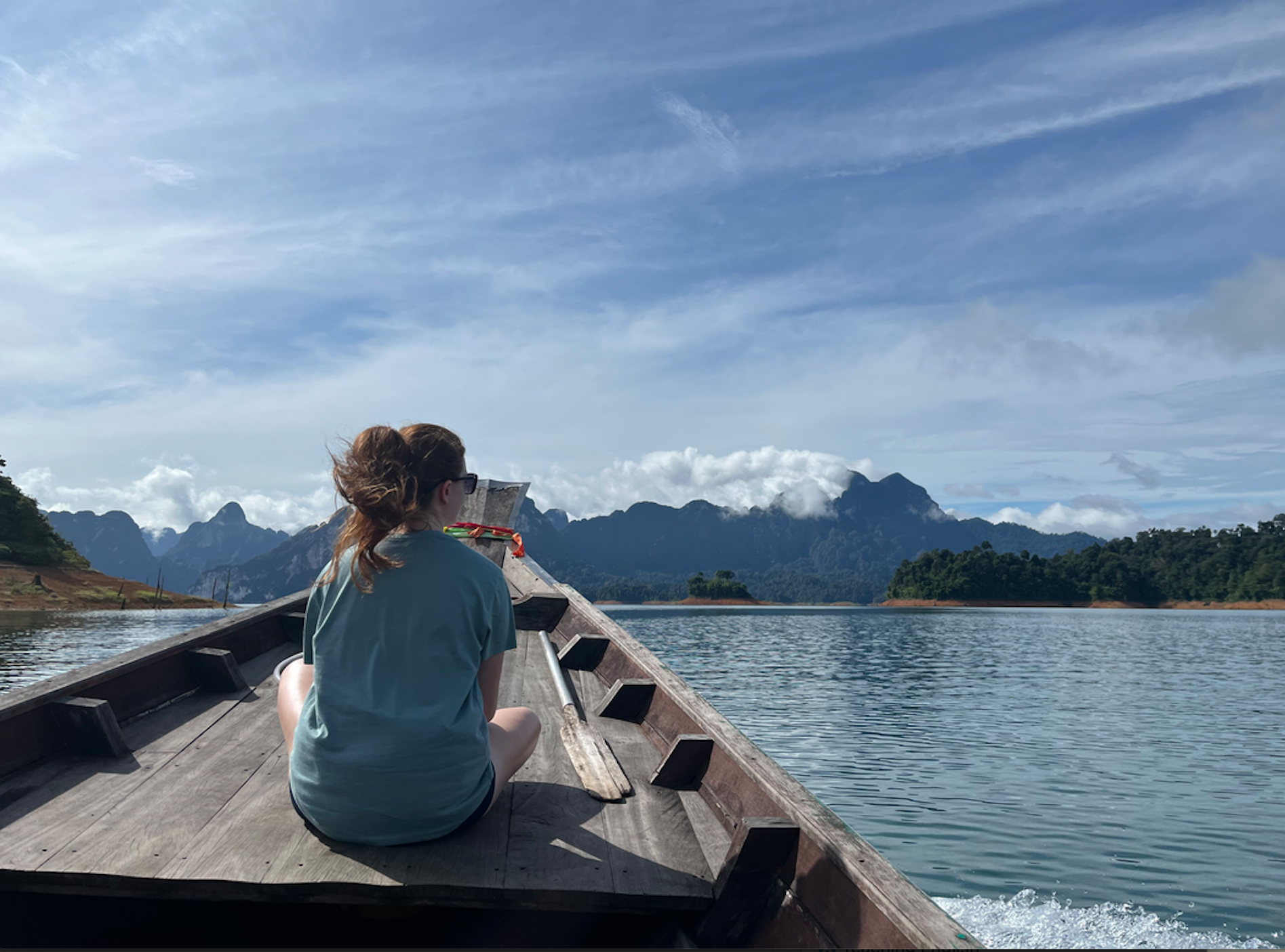
Explorers are often drawn to destinations where adventure is part of everyday life. In regions like Southeast Asia, teachers find themselves surrounded by incredible landscapes, vibrant street markets, and rich cultural traditions. Weekends might involve island trips, temple visits, or exploring neighbouring countries.
But what surprises many teachers is how quickly these destinations begin to feel like home.
Harriet, a Premier TEFL graduate who taught in Thailand, originally planned to stay for just a year. Like many first-time teachers, she saw it as an opportunity to travel and gain some international experience. But the experience quickly turned into something much more meaningful.
Stories like Harriet’s are incredibly common in the teaching abroad community. Many people begin their journey expecting a short adventure and end up discovering a passion for teaching, a love for their host country, or friendships that last a lifetime.
For explorers, the greatest reward often isn’t just the places they visit. It’s the sense of personal growth that comes from stepping outside their comfort zone and embracing a completely different way of life.
The Career Builder: Turning TEFL into a Profession
While travel might be the initial motivation for some teachers, others approach teaching abroad as a serious career move. If you’re interested in building professional experience, developing teaching skills, and gaining international work credentials, teaching abroad can open many doors.
Countries with well-established English education systems often attract teachers who are focused on professional growth. Schools in these destinations tend to have structured curriculums, clear expectations, and strong demand for qualified English teachers.
For career-focused teachers, the benefits can go far beyond the classroom. Teaching abroad can help you develop valuable skills such as cross-cultural communication, adaptability, leadership, and public speaking. These are qualities that employers in many industries value highly.
Spending time working abroad can also strengthen your CV, especially if you’re interested in fields like education, international business, travel, or global marketing. Employers increasingly recognise the value of candidates who have lived and worked in different cultural environments.
Many teachers who start abroad eventually move into roles such as senior teachers, curriculum developers, teacher trainers, or school managers. Others use their experience as a stepping stone into international education careers.
In other words, teaching abroad doesn’t have to be a temporary adventure. For some people, it becomes the beginning of a long and rewarding career.
The Lifestyle Seeker: Living Abroad, Not Just Working Abroad
Another common motivation for teaching abroad is the desire for a different lifestyle. If you’ve ever dreamed of living somewhere with a slower pace of life, enjoying long evenings with friends, or immersing yourself in culture, teaching abroad can make that dream a reality.
Lifestyle-focused teachers often prioritise experiences outside the classroom. They want time to explore their surroundings, learn a new language, and enjoy the culture around them.
In many destinations, teaching schedules allow for this kind of balance. Depending on the school and location, teachers may find they have plenty of time to travel, socialise, and experience daily life in their new home.
Food, music, art, and community events all become part of the experience. Instead of simply visiting a country as a tourist, you begin to experience it as a local.
This is one of the most transformative aspects of teaching abroad. Living in another culture gives you a deeper understanding of how people live, think, and connect with one another. It also encourages you to reflect on your own culture and perspective.
Over time, many teachers find that they begin to feel truly at home in their new environment.
The Strategic Saver: Using Teaching Abroad to Reach Financial Goals
Although teaching abroad is often associated with travel and adventure, it can also be a smart financial decision. Some teachers choose their destination specifically because it allows them to save money while gaining international experience.
When looking at teaching opportunities, it’s important to consider not only the salary but also the cost of living. In some countries, teachers receive additional benefits such as accommodation, flight reimbursement, or health insurance. These benefits can significantly increase your ability to save.
Teachers who approach teaching abroad with financial goals in mind often find they can make real progress within a year or two. Some use the opportunity to pay off student loans, build savings, or fund future travel plans.
Others simply appreciate the financial freedom that comes from living in a country where everyday costs are more affordable.
The key is understanding how the balance between salary, living costs, and benefits works in different parts of the world.
What Teachers Often Wish They Had Considered
When new teachers are choosing where to go, it’s natural to focus on exciting factors like climate, travel opportunities, and popular destinations. However, experienced teachers often say that the most important aspects of life abroad are the ones they didn’t initially think about.
Work culture, for example, can vary dramatically between countries. In some places, classrooms are highly structured and teachers follow detailed lesson plans. In others, teachers are encouraged to be more creative and flexible.
Community is another important factor. Living in a city with a strong international teacher community can make it much easier to settle in and build friendships. On the other hand, smaller towns may offer deeper cultural immersion and closer connections with local people.
Imran, another Premier TEFL teacher who spent time teaching abroad, reflected on how the experience changed him personally.
This sense of transformation is one of the reasons so many people recommend teaching abroad at least once in their lives.

The Global Demand for English Teachers
One reason teaching abroad continues to grow in popularity is the global demand for English education. Around the world, governments, schools, and businesses recognise the importance of English for international communication.
Regions such as East Asia and Southeast Asia consistently show strong demand for English teachers, while many European countries also welcome teachers through language assistant programmes and private language schools.
Below is a simple representation of global demand trends.
East Asia ██████████████████
Southeast Asia ███████████████
Europe █████████
Latin America ███████
Middle East ███████████
These patterns shift over time, but the overall demand for qualified English teachers remains strong worldwide.
City Life vs Small Town Living
Another factor that can dramatically shape your teaching abroad experience is whether you live in a large city or a smaller town.
Cities often offer exciting social scenes, international communities, and endless things to do. They can be ideal for teachers who enjoy nightlife, restaurants, and cultural events. Public transport is usually well developed, and it’s easy to connect with other teachers and travellers.
Smaller towns, on the other hand, often provide a completely different kind of experience. Life tends to move at a slower pace, and teachers often become more integrated into the local community. You may find yourself building strong relationships with colleagues, neighbours, and students.
Living outside major cities can also give you a more authentic perspective on daily life in your host country.
Neither option is inherently better. It simply depends on what kind of lifestyle you’re hoping to create.
The Personal Growth That Comes with Teaching Abroad
One of the most powerful aspects of teaching abroad is the personal development it encourages. Moving to another country forces you to adapt, problem-solve, and communicate in ways you may never have experienced before.
Simple tasks like navigating public transport, opening a bank account, or ordering food in another language become small victories. Over time, these experiences build confidence and resilience.
Many teachers say the experience pushes them to discover strengths they didn’t know they had. One Premier TEFL teacher living in Vietnam, Kassy, described how the experience changed her perspective:
Teachers often find that living abroad changes how they see the world. Exposure to different cultures encourages empathy and curiosity. It also helps people become more open-minded and adaptable.
Many teachers return home with new perspectives on life, work, and what truly matters to them.

How to Choose the Right Destination for You
Choosing a country to teach in doesn’t need to feel overwhelming. Instead of trying to compare every possible destination, start by thinking about what matters most to you.
Imagine your daily life abroad. What kind of environment excites you? Are you looking for adventure and travel, or a structured professional environment? Do you want a relaxed lifestyle, or are you focused on financial goals?
Reading teacher experiences can also be incredibly helpful. Personal stories give insight into what life abroad actually looks like day to day. The Premier TEFL blog is full of real experiences from teachers around the world, offering honest reflections on both the challenges and rewards of teaching abroad.
Exploring these stories can help you picture your own journey and begin narrowing down the destinations that feel right for you.
A Journey That’s Different for Everyone
Perhaps the most important thing to remember is that there is no single “perfect” place to teach English abroad. What matters most is finding a destination that aligns with your personality, priorities, and goals.
Some teachers discover a passion for education and build long-term careers overseas. Others use the experience as a stepping stone into travel, international work, or new life directions. Many simply cherish the friendships and memories they create along the way.
Wherever you choose to go, teaching abroad is likely to challenge you, inspire you, and change you in ways you may not expect.
And often, the most surprising part is how quickly a foreign country can begin to feel like home.
The post Choosing the Right Country to Teach English Abroad: A Personality-Based Guide appeared first on Premier TEFL.