Top Cities To Teach English in Italy This Year
Teaching English in Italy continues to be one of the most attractive choices in Europe for TEFL-certified teachers seeking a unique combination of professional experience and high quality of life in 2026. Italy offers far more than just a job abroad; it provides daily immersion in history, art, cuisine and social culture that turns teaching into a truly enriching lifestyle experience. From fast-paced, career-focused opportunities in major cities like Milan and Rome to the slower, more traditional rhythm of life found in Florence, Bologna or Naples, Italy caters to teachers with a wide range of personal and professional goals. Whether you are looking to build long-term teaching experience, gain international exposure, or simply enjoy living in one of Europe’s most culturally rich countries, Italy offers a city to suit almost every teaching style and personality.
Demand for English teachers in Italy remains steady, particularly within private language schools, business English training and exam preparation courses for both adults and students. English is seen as a key skill for career progression, international study and tourism, which ensures ongoing demand across the country. Teachers who hold a bachelor’s degree and a recognised 120-hour TEFL certificate can find opportunities in cities of all sizes, although the strongest job markets are typically found in larger urban centres and regional capitals. Throughout this guide, you’ll explore the best cities to teach English in Italy this year, gain insight into expected salaries and daily working life, and learn how to choose the location that best aligns with your career ambitions and lifestyle preferences.
Why Choose Italy to Teach English?
Italy offers a rare balance of cultural depth, lifestyle quality and professional opportunity that few other teaching destinations can match. Living and working in Italy means enjoying a slower, more social pace of life, where long lunches, evening strolls and strong community connections are part of everyday culture. Teachers often find that this lifestyle makes it easier to maintain a healthy work-life balance while still gaining valuable international teaching experience. Combined with excellent transport links, diverse regional cultures and easy access to the rest of Europe, Italy is an ideal base for both personal growth and travel.
From a professional perspective, Italy provides a wide range of teaching environments for qualified English teachers. With a bachelor’s degree and a 120-hour TEFL qualification, teachers can work in private language schools, public or bilingual schools (often through regional or private programmes), universities and corporate training settings. While Italy is known for its slower administrative processes, many schools actively support teachers with contracts, obtaining an Italian tax code and navigating residency requirements. This support is particularly helpful for EU citizens and teachers planning longer stays, making Italy a rewarding and realistic option for those looking to build a sustainable teaching career abroad.
Key Takeaways: Teaching English in Italy
Best cities to teach English in Italy: Rome, Milan, Florence, Bologna, Naples, Turin, Verona and Palermo.
Typical English teacher salary in Italy: Around €1,000–€1,500 per month in language schools, €1,500–€2,500+ in business English and corporate contracts.
Minimum requirements: A bachelor’s degree, at least a 120-hour TEFL certificate, clean background check, and legal right to work or visa.
Best cities for first-time teachers: Rome and Florence (high demand, many schools, strong expat communities).
Lifestyle: Historic cities, café culture, long lunches, late evenings, and excellent rail connections across Europe.
Types of Schools Hiring English Teachers in Italy
Understanding the main school types helps you choose roles that suit your schedule, experience and income goals.
Public Schools & Regional Programs
Public schools occasionally hire English teachers or assistants through regional or private contractors.
Typical salary: €800–€1,200 per month, often part-time.
Teaching hours: Around 18–24 classroom hours per week.
Class size: 20–30+ students.
Best for: Teachers seeking classroom experience and regular schedules.
Private Language Schools
Private language schools are the most common employers for English teachers in Italy.
Typical salary: €1,000–€1,500+ per month or €15–€25 per hour.
Teaching hours: 20–25 teaching hours per week, often afternoons and evenings.
Class size: Small groups of 6–12 students.
Best for: Teachers wanting flexible schedules and steady work.
Business English & Corporate Training
Italy has strong demand for business English, especially in finance, fashion, manufacturing, and tech.
Typical salary: €20–€40 per hour, with monthly earnings reaching €2,000–€3,000+.
Teaching hours: Often early mornings, lunch hours or evenings.
Best for: Experienced teachers or those with Business English certification.
Universities & Private Schools
These roles are more competitive and usually require experience or higher-level qualifications.
Typical salary: €1,500–€2,500+ per month.
Teaching hours: Around 18–22 hours per week.
Best for: Teachers with Level 5 TEFL, CELTA-equivalent training or prior classroom experience.
Top Places to Teach English in Italy in 2026
City Comparison
| City | Typical Salary (EUR/month) | Cost of Living | Best For | Notes |
|---|---|---|---|---|
| Rome | €1,100–€1,600 | Medium-high | First-timers, culture | Largest job market and constant demand |
| Milan | €1,300–€2,500+ | High | Business English | Corporate clients and higher pay |
| Florence | €1,000–€1,500 | Medium-high | Lifestyle, arts | Competitive but popular |
| Bologna | €1,000–€1,500 | Medium | Students, balance | Strong university presence |
| Naples | €900–€1,400 | Low | Culture, affordability | Lower costs, high character |
| Turin | €1,100–€1,700 | Medium | Professionals | Business and industry focus |
| Palermo | €900–€1,300 | Low | Relaxed lifestyle | Growing demand, slower pace |
1. Rome — Best City in Italy for TEFL Jobs
Rome offers the largest and most consistent English teaching market in Italy.
Why Rome?
-
Huge number of private language schools and international institutions
-
Constant demand for exam prep, conversation classes and business English
-
Opportunities to combine teaching with private tutoring
-
Excellent transport links across Italy and Europe
Lifestyle
Living in Rome means daily history, lively neighbourhoods, café culture and endless cultural events. Teachers often work afternoons and evenings, leaving mornings free for Italian lessons or exploring the city.
Considerations
-
Bureaucracy can be slow
-
Popular schools can be competitive
-
Rent is higher in central areas

2. Milan — Best for High Salaries & Business English
Milan is Italy’s financial and commercial capital, making it the top destination for business English.
Why Teachers Choose Milan
-
Highest earning potential in Italy
-
Corporate clients in finance, fashion and tech
-
Modern city with international feel
Lifestyle
Fast-paced and professional, Milan suits teachers who want career growth, strong income, and networking opportunities.
Considerations
-
Most expensive city in Italy
-
Less “classic Italy” feel than southern cities
3. Florence — Best for Culture & Lifestyle
Florence offers iconic scenery, art, and a strong TEFL market.
Why Florence Works
-
Consistent demand in private schools
-
International students and professionals
-
Compact, walkable city
Best For
Teachers prioritising lifestyle, beauty and cultural immersion over maximum earnings.

4. Bologna — Best Student City
Bologna is home to Europe’s oldest university and has a young, vibrant population.
Why Bologna?
-
Strong demand for exam prep and conversation classes
-
Lower costs than Florence or Milan
-
Excellent food culture
5. Naples — Affordable & Authentic
Naples offers a deeply local experience with lower living costs.
Why Choose Naples
-
Growing demand for English education
-
Affordable rent and food
-
Rich culture and character
Best for teachers seeking immersion and a slower pace.

6. Turin — Northern Italy’s Hidden Gem
Turin blends history with industry and professional opportunities.
Why Turin?
-
Demand for business and technical English
-
Elegant city with lower costs than Milan
-
Access to Alps and France
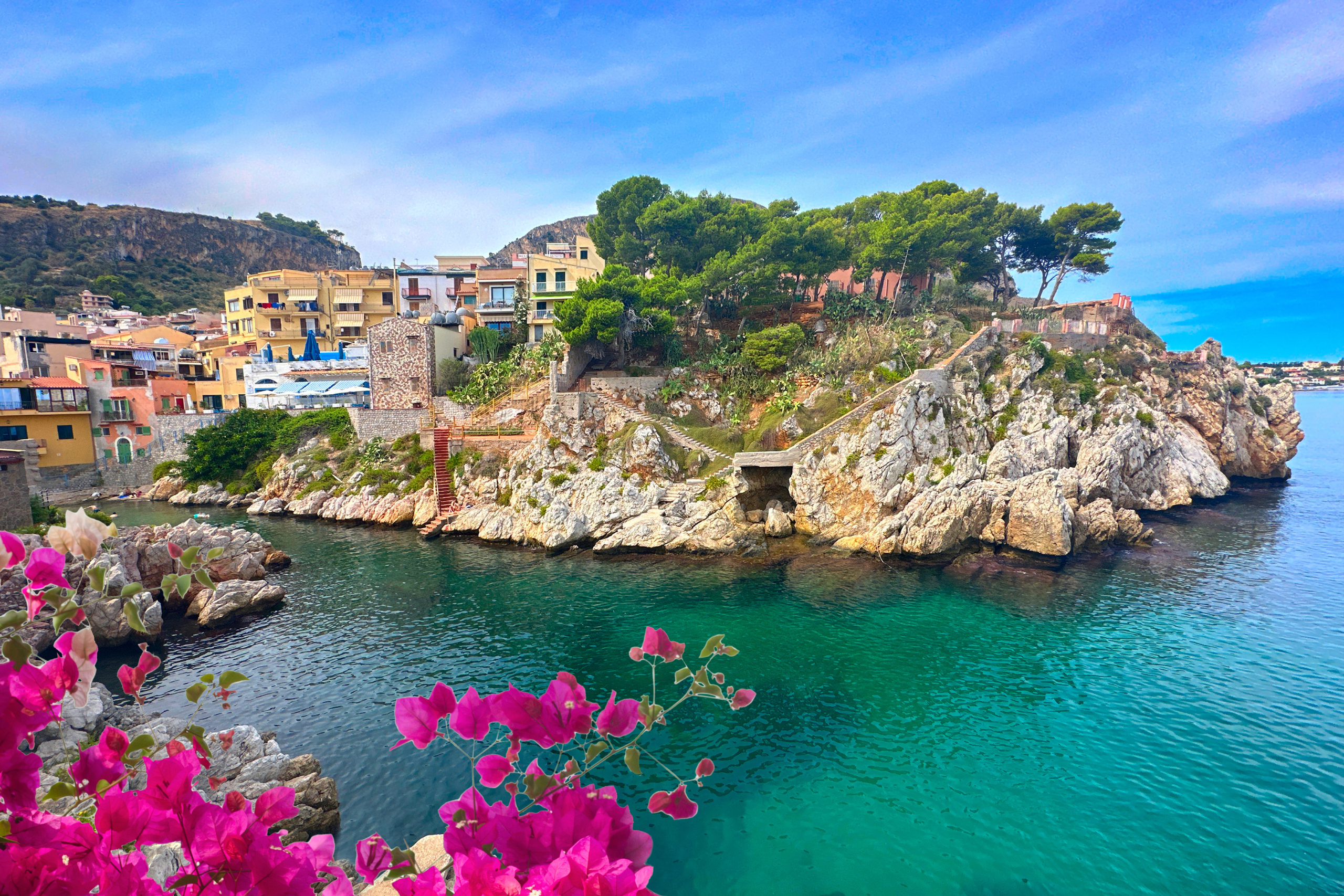
7. Palermo — Southern Italy & Island Living
Palermo provides a relaxed lifestyle with emerging teaching opportunities.
Why Palermo?
-
Low cost of living
-
Increasing tourism and language demand
-
Strong community atmosphere
Typical Teaching Salaries in Italy (2026)
| Job Type | Typical Salary Range (EUR/month) |
|---|---|
| Public Schools | €800–€1,200 |
| Private Language Schools | €1,000–€1,500+ |
| Business English / Corporate | €1,500–€3,000+ |
| Universities / Private Schools | €1,500–€2,500+ |
Private lessons (€20–€30 per hour) are common and significantly boost income.
What Teaching English in Italy Is Like (Day-to-Day Life)
Teaching English in Italy offers a balanced and often relaxed day-to-day routine compared to many other countries. Most full-time teachers can expect to teach between 18 and 25 hours per week, with additional time spent on lesson planning and preparation. Lessons typically place a strong emphasis on conversational English, pronunciation and real-world communication skills, as many Italian learners already have a basic understanding of grammar but lack confidence speaking. Teaching schedules in private language schools often run in the afternoons and evenings, as students attend classes after school or work, leaving mornings free for personal time, studying Italian or exploring the city. Classrooms tend to have a friendly and informal atmosphere, with students who are social, expressive and eager to engage, creating an enjoyable teaching environment that feels less rigid than in some other education systems.
Qualifications to Teach English in Italy
To teach English legally in Italy, most employers expect candidates to meet a set of standard requirements. A bachelor’s degree is commonly requested, even when it is not a strict legal necessity, as it helps schools secure contracts and meet institutional expectations. In addition, teachers must hold a recognised TEFL qualification with a minimum of 120 hours of training from an accredited provider. Legal eligibility to work is essential, meaning teachers must either hold an EU passport or secure an appropriate visa or residency permit. Once in Italy, teachers are also required to obtain an Italian tax code, known as a codice fiscale, which is necessary for employment contracts, invoicing, opening a bank account and accessing public services.
The 180 Hour Level 5 TEFL Diploma Advantage
While a 120-hour TEFL certificate is sufficient for entry-level roles, a 180-hour Level 5 TEFL Diploma offers a clear advantage in Italy’s competitive teaching market. This advanced qualification provides more in-depth training in lesson planning, classroom management, language awareness and assessment, and is often viewed by employers as comparable to CELTA-level training. Teachers with a Level 5 Diploma are more likely to access higher-paid positions, particularly in business English, private schools and university-linked roles. For those looking to build a longer-term teaching career in Italy rather than a short stay, this qualification can significantly improve job prospects and earning potential.
Specialist TEFL Micro-Credentials
Specialist TEFL micro-credentials are an effective way to stand out and move into more specialised or higher-paying roles in Italy. Business English certification is particularly valuable in cities such as Milan, Turin and Rome, where corporate training is in high demand. Exam preparation courses, including IELTS exams, are also popular, as many students need certification for university entry or career progression. Teaching Young Learners credentials are ideal for teachers working in private language schools and bilingual programmes, while training in online and hybrid teaching skills allows teachers to supplement their income with remote work or maintain flexibility alongside in-person classes.
Career Progression in Italy
Many English teachers in Italy begin their careers in private language schools, gaining experience with different age groups and levels before progressing into more specialised roles. With time and additional qualifications, teachers often move into corporate training, working directly with companies and professionals, or into university lecturing roles that focus on academic or professional English. Others advance into academic management, teacher training or course coordination within language schools. Freelance teaching is also a common career path in Italy, with experienced teachers building portfolios of private clients and corporate contracts, allowing for greater flexibility and higher overall earnings.
Professional Disclaimer
This guide is intended to provide general information about teaching English in Italy. Employment conditions, salaries, visa regulations and qualification requirements can vary depending on the region, employer and individual circumstances, and are subject to change. Prospective teachers should always verify current requirements with schools, official government sources and relevant embassies before travelling or accepting a teaching position.
About Premier TEFL
Premier TEFL is an internationally recognised teacher training provider offering accredited TEFL qualifications, specialist micro-credentials and lifetime career support. Through high-quality training, expert guidance and ongoing professional development, Premier TEFL supports teachers in building confident, sustainable and rewarding teaching careers in Italy and across the globe.
The post Top Cities to Teach English in Italy This Year appeared first on Premier TEFL.