![[object Object]](https://www.cheapteflcourses.com/wp-content/uploads/2026/03/33846550.jpg)
Walk into an elementary school in Japan today, and the picture of English education might look different than you expect. Gone are the days of a single, uniform model. Instead, a more dynamic and globally representative approach is taking shape.
The Traditional Model: A Familiar Pair
For years, the most recognized system involved a team-teaching duo:
- The Japanese Teacher of English (JTE), who handles grammar, curriculum, and classroom management.
- The Assistant Language Teacher (ALT), typically a native speaker, who focuses on conversational practice and cultural exchange.
This “one ALT, one JTE” framework has been a cornerstone, providing students with exposure to a native accent and foreign perspective.
A New Wave of International Educators
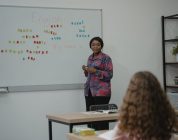
However, the landscape is expanding. Schools are increasingly welcoming International English Teachers from a wider array of countries. This shift recognizes that English is a global language, not owned by any single nation.
You might now find educators from places like:
- The Philippines, often bringing exceptional pedagogical skills and a deep understanding of both English and the Asian educational context.
- Ghana, or other English-speaking nations, offering unique cultural insights and demonstrating the diverse global use of the language.
More Than Just “Assistants”
This evolution means roles are becoming more specialized and fluid. Not every international teacher fits neatly into the “ALT” box. Their contributions can vary beautifully:
- The Language Instructor: Focused on teaching core English skills—vocabulary, pronunciation, and simple conversation.
- The Cultural Ambassador: Using English as a medium to share stories, traditions, and life experiences from their home country, making the language learning journey vivid and personal.
Why This Diversity Matters for Students
This move towards a richer tapestry of educators is a significant win for students. It offers:
- Exposure to Global English: Students hear different accents and communication styles, preparing them for real-world interactions.
- Broader Cultural Literacy: Learning goes beyond language to include festivals, food, and customs from across the globe.
- Increased Engagement: Fresh perspectives and unique personal stories make lessons more memorable and exciting.
The Future is Varied and Vibrant
So, while the classic ALT/JTE partnership remains vital, it’s now part of a bigger, more colorful ecosystem. The goal is no longer just to practice English with a native speaker, but to use English as a key to unlock the wider world.
This progressive approach helps shape students into not just English speakers, but true global citizens—curious, adaptable, and connected to an international community. The classroom has become a microcosm of the world itself.