![[object Object]](https://www.cheapteflcourses.com/wp-content/uploads/2026/05/11682274.jpg)
Teaching abroad often comes with surprises. One of the most shocking realizations for many new TEFL teachers heading to China is this: you may be expected to teach first and second graders completely alone. No assistant. No co-teacher. Just you and a room full of energetic six- and seven-year-olds.
The Reality Check
If you’ve researched public school English programs in China, you probably assumed that English instruction starts in third grade. Many official textbooks indeed begin at that level. However, many schools—especially primary schools—now want foreign teachers for first and second grade as well. This mismatch between curriculum timelines and actual teaching assignments catches many off guard.
Class Sizes That Make You Gulp
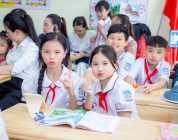
Imagine walking into a classroom with 40 first graders. Not 15, not 20. Forty. And they are six years old. They have short attention spans, limited self-control, and almost zero English. No assistant is provided. This is not uncommon in Chinese public schools. Many teachers have turned down such positions immediately after hearing the details. Bilingual schools tend to have smaller classes—around 25 students—but the expectation to teach alone remains.
How Is This Even Possible?
Teaching such young learners alone sounds impossible. Yet thousands of foreign teachers do it every day. The key is preparation, creativity, and survival strategies. First, overplan every lesson. Have five activities ready when you think you need three. Young children burn through material quickly. Second, use visual aids heavily. Flashcards, picture books, and videos become your best friends. Third, establish classroom routines from day one. Consistent signals for attention, like a clap pattern or a tambourine, can save your sanity.
Building Your Toolkit
Music works wonders. Simple songs with actions keep little bodies moving and minds engaged. Games like “Simon Says” or “Duck, Duck, Goose” teach vocabulary without feeling like a lesson. Reward systems—stickers, stamps, or a simple star chart—motivate behavior. Also, accept that some chaos is normal. A perfectly quiet classroom of 40 first graders is a fantasy. Aim for productive noise instead of silence.
The Speaking Challenge
Perhaps the biggest hurdle is teaching students who know almost no English. You cannot explain grammar rules. You cannot give complex instructions. You rely entirely on demonstration, repetition, and body language. Point, show, repeat. Then repeat again. Patience becomes your most valuable teaching asset. You will feel like a mime artist some days.
Why Schools Do This
Schools hire foreign teachers for these young grades to give students early exposure to native pronunciation and natural speaking rhythms. They believe starting earlier gives children an advantage. Whether or not this is pedagogically sound, it is the current trend. For the teacher, it means embracing a role that is part educator, part performer, part circus ringleader.
Survival Advice from the Trenches
Veteran teachers suggest focusing on relationship building first. Learn a few key phrases in Chinese: “sit down,” “listen,” “good job.” Show genuine warmth. Young children respond to kindness faster than discipline. Also, protect your voice. Use a microphone if available. Whisper when you want quiet—they will mimic you. And always keep a backup activity in your pocket for when everything falls apart.
Teaching alone with 40 first graders will push you to your limits. Some days you will feel like a failure. Other days, a child will finally say “hello” correctly, and the struggle feels worth it. The chaos does not disappear. You just learn to dance in the storm.