![[object Object]](https://www.cheapteflcourses.com/wp-content/uploads/2026/05/6503137-1.jpg)
If you’re dreaming of teaching English in South Korea or Japan, you’ve probably found yourself staring at a confusing wall of certification acronyms. TEFL, CELTA, Trinity – what do they all mean, and which one will actually get you into a government-run public school classroom?
Let’s break it down so you can make the right choice for your teaching journey.
The TEFL You Have: Is It Enough?
A Level 5 TEFL diploma, especially one from a well-known provider, is a solid qualification. It covers teaching methodology, grammar, lesson planning, and classroom management in depth. Many online TEFL courses are recognized by schools around the world.
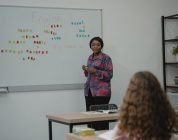
However, there’s one critical difference: the teaching practice component. Your TEFL likely included peer-to-peer assessments or simulated teaching scenarios. While valuable, this does not carry the same weight as teaching real students in a real classroom under observation.
For public school positions in countries like South Korea and Japan, schools often want proof that you can stand in front of actual learners and manage a class effectively. This is where CELTA and Trinity CertTESOL come into play.
CELTA vs. Trinity: What’s the Difference?
Both the CELTA (Certificate in English Language Teaching to Adults) and the Trinity CertTESOL are internationally recognized, university-regulated qualifications. They’re considered the gold standard in the ESL industry.
CELTA
- Developed by Cambridge University
- Focuses on teaching adults (though skills transfer to young learners)
- Widely recognized, especially in Asia and Europe
- Includes 120 hours of theory plus 6 hours of observed teaching practice with real ESL students
Trinity CertTESOL
- Developed by Trinity College London
- Covers teaching all age groups, including young learners
- Slightly more emphasis on teaching children and teenagers
- Also includes 120 hours of theory plus 6+ hours of observed teaching practice
For teaching young people, Trinity often feels like a better fit. However, CELTA’s name recognition is hard to beat – many employers in Asia specifically ask for it.
Can You Top Up Your Current Qualification?
Unfortunately, you cannot simply upgrade or top up your existing online TEFL to match CELTA or Trinity standards. These are standalone qualifications with mandatory in-person teaching components. The observed teaching practice with real students is non-negotiable. No accredited provider allows you to substitute this requirement with prior coursework.
This means you would need to complete a full CELTA or Trinity program. That said, having your Level 5 TEFL first isn’t wasted effort. The theoretical knowledge you’ve gained will make CELTA or Trinity much easier. You’ll already understand core concepts, which means you can focus more on refining your practical teaching skills.
Do You Actually Need Both?
For many public school positions in South Korea and Japan, a solid online TEFL with 120+ hours of coursework is still accepted. However, competition for desirable roles in major cities is fierce. If you want the best positions with higher pay, better benefits, and more support, CELTA or Trinity gives you a clear advantage.
Think of it this way: your current TEFL gets your foot in the door. CELTA or Trinity opens multiple doors and keeps them open for your entire career.
Practical Advice
If you’re serious about teaching in government-run public schools in Asia, consider pursuing CELTA or Trinity. Choose Trinity if you’re passionate about teaching children and teenagers. Choose CELTA if you want maximum global recognition and potential career flexibility.
Many people complete CELTA or Trinity online or in hybrid formats with local teaching practice arranged by the provider. Some centers offer intensive month-long courses, while others spread training over weekends or evenings.
Remember, this is an investment in your teaching career. The credibility, confidence, and practical skills you gain will serve you for every lesson you ever teach.